SwitchMyTool


My working verdict
I choose Squarespace for a composed brand site. I choose Framer when design itself needs room to move.
- I pick Squarespace when the future editor needs safe, predictable updates.
- I pick Framer when a design owner needs more layout and interaction control after launch.
- I decide from the hardest recurring change, not the first homepage.
Squarespace vs Framer is really a decision about who owns the site after I leave.
I have learned not to decide from a homepage template. Both platforms can produce a good-looking first version in an afternoon. The better question is what happens after the fifth request: a campaign page, a case study, a new visual system, or an edit somebody else must make without a designer on call.
I use Squarespace when I want the site to keep its composure. It gives me a manageable design system for studios, consultants, creators, service businesses, and teams that need a polished site without taking on a new design tool. I use Framer when the visual execution is part of the product story and a designer needs to keep refining it.
Neither choice is more serious by default. A limitation I never hit is a feature I never have to learn. Extra control only helps when somebody has the time and taste to own it.
I test the design handoff before I commit.
Squarespace gives me fewer levers. I value that when a founder, marketer, or client will be editing later. The editor makes it harder to turn a strong visual system into a collection of random fonts, uneven spacing, and improvised buttons. That is not glamorous, but it is useful.
Framer gives me more room to pursue a particular layout, richer motion, and a tighter relationship between design intent and the live site. I reach for it when a team already thinks in systems and can explain how a new page should look before they start dragging blocks around.
My practical test is blunt. I build the unusual campaign page, then I ask the future editor to change a headline, image, CTA, SEO title, and navigation item. The platform that survives both tasks is the platform I keep.
I care more about everyday editing than launch-day theatre.
A site spends most of its life being maintained. I need to know how a team publishes a post, updates a service, changes an image, adds a case study, checks a form, and sees what happened after a campaign. Squarespace works well for teams that want a clear lane. Framer works well for teams that want a broader canvas.
I do not expect either builder to save a weak brief. Good pages still need a clear offer, proof, simple navigation, and a reason to contact or buy. The platform shapes my process. It does not invent the story.
I do not treat either builder as an SEO shortcut.
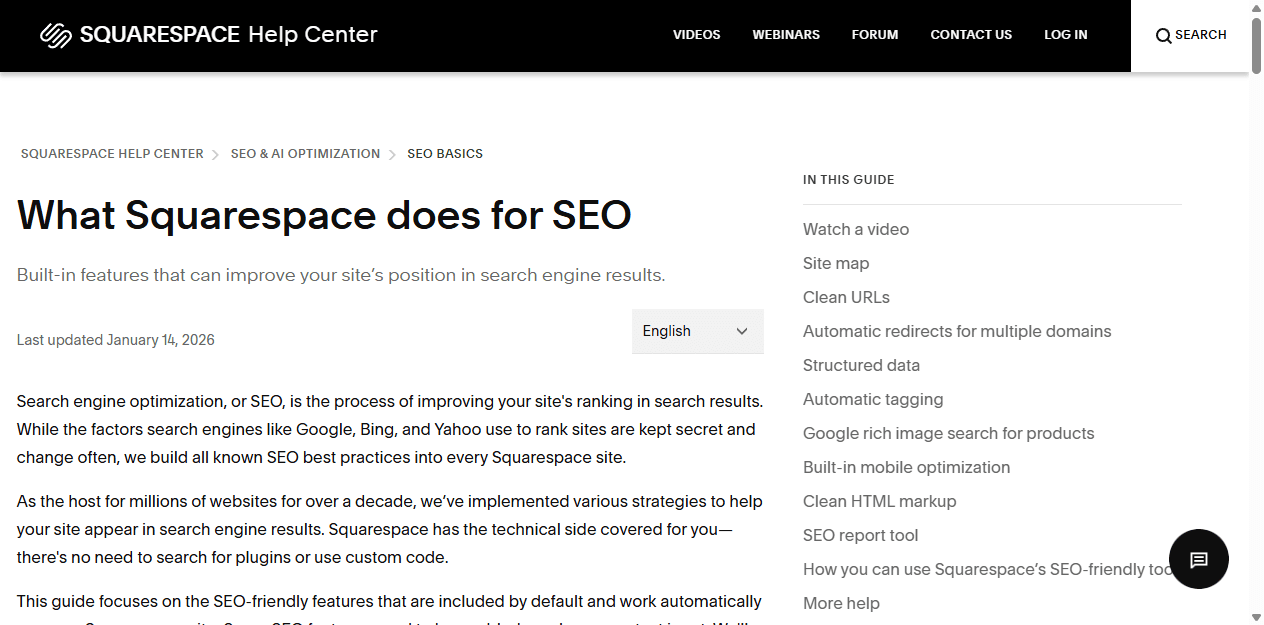
Squarespace documents sitemaps, clean URLs, structured data, mobile optimization, and reporting. Framer documents SEO controls and publishing features too. Those foundations matter. They do not write a useful location page, earn a link, answer a difficult buyer question, or give me a content plan.
I choose the builder that supports the publishing rhythm I can actually sustain. For a straightforward brand site, Squarespace can give me a dependable baseline. For a design-led site with a team already owning the page system, Framer can give me more control without leaving the visual workflow.

I compare subscription cost with the cost of future compromises.
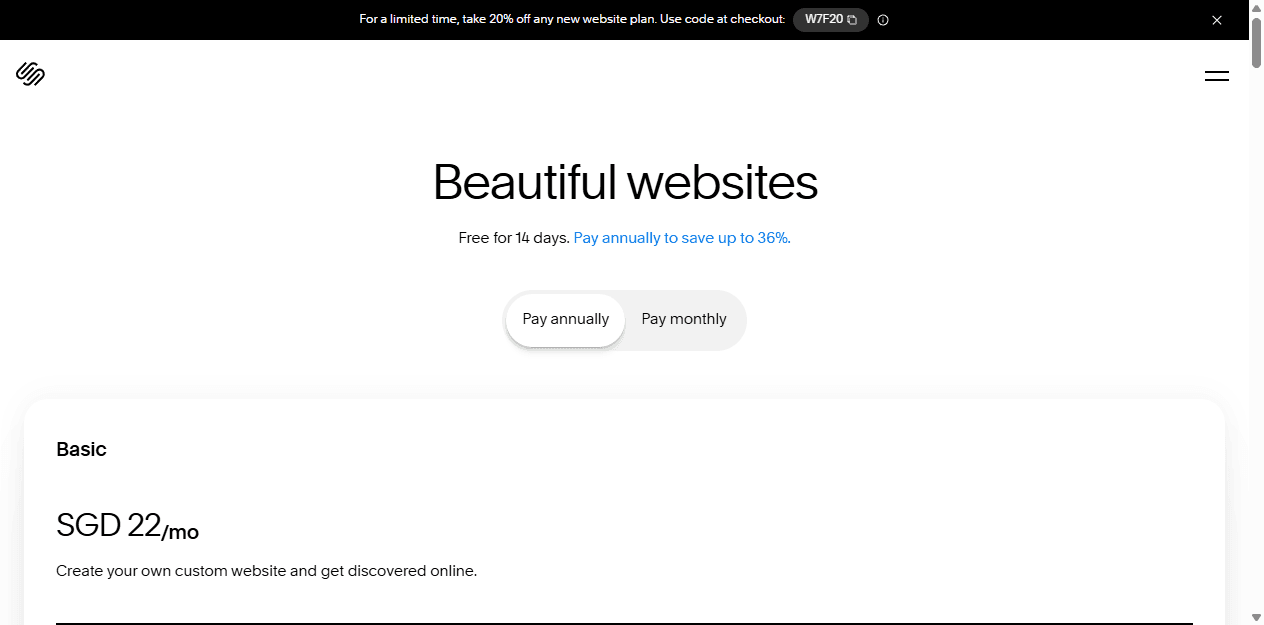
Squarespace has a managed plan model. Framer has a free entry point and paid plans. I check the actual regional checkout, domains, seats, and publishing needs rather than treating a promotional card as a permanent budget. The number that matters is the one after the site needs a second language, new campaign, or another editor.
I also look for workarounds. A cheap platform becomes expensive when every new request demands a special workaround. A more capable platform becomes expensive when its extra freedom makes the team dependent on a designer for normal edits.

I treat a migration as a monitored release.
Moving between Squarespace and Framer means rebuilding more than text. I inventory pages, media, metadata, redirects, forms, analytics, navigation, and the small interactions that make the old site work. I map old URLs to new ones before I move the domain, then test the hard paths on mobile.
I watch Search Console, form delivery, campaign links, and the pages that previously earned traffic after launch. The goal is not a nicer home page. The goal is a site that does not lose its working parts during a redesign.
I use Reddit complaints as a pre-purchase test list.
In recent discussions, I see Squarespace owners eventually want a layout or interaction outside the comfortable path. I see Framer users enjoy the control, then discover that handoff needs stronger design ownership. That is qualitative feedback, not a survey, but it tells me where to test before I commit.
I choose the smaller promise when it solves the actual job.
I recommend Squarespace to teams that value a restrained, editable brand site: consultants, photographers, creators, service businesses, restaurants, and teams without a designer maintaining the site each week. I avoid it when I already know the visual system needs deep interaction or rapid design experimentation.
I recommend Framer to design-led product teams, studios, agencies, and founders with active design ownership. I avoid it when a broad business operating system, complicated store, or heavily constrained editor is really the requirement.
Questions I hear about Squarespace vs Framer
Is Framer better than Squarespace for designers?
I find Framer more expressive when a designer needs close control over layout and motion. I find Squarespace better when a project needs a protected editing system after handoff.
Can I use Squarespace or Framer for SEO?
I can use either. I choose based on content structure and publishing workflow, then I do the ordinary SEO work that no builder can do for me.
Which is cheaper?
I compare the exact regional checkout, domains, seats, and the work needed to avoid a future rebuild. The lowest subscription is not always the lower-cost website.