SwitchMyTool

Quick answer
Pick by workflow, not by demo polish.
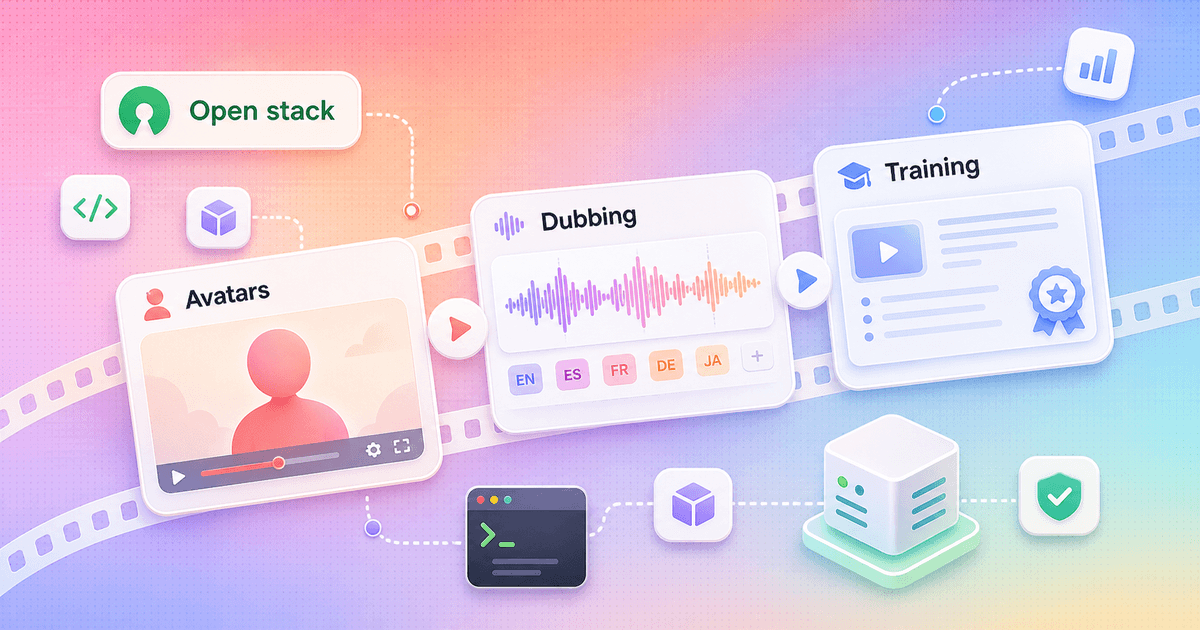
If you are comparing heygen alternatives, separate the problem into three jobs: avatars, dubbing, and training videos. For polished training content, start with Synthesia, Colossyan, or Elai. For avatar APIs and interactive presenter clips, test D-ID. For video translation and dubbing, Rask AI is the cleanest specialist. For broad AI video creation, AI Studios belongs on the shortlist. For heygen alternatives open source, treat Duix-Avatar, MuseTalk, and Wav2Lip as building blocks, not drop-in SaaS replacements.
Best training-video replacement
Synthesia or Colossyan
Best avatar/API surface
D-ID
Best dubbing specialist
Rask AI
Best broad video workspace
AI Studios
Best L&D text-to-video option
Elai
Best open-source avatar start
Duix-Avatar
Best open-source lip-sync block
MuseTalk
Baseline
HeyGen is useful because it bundles several jobs.
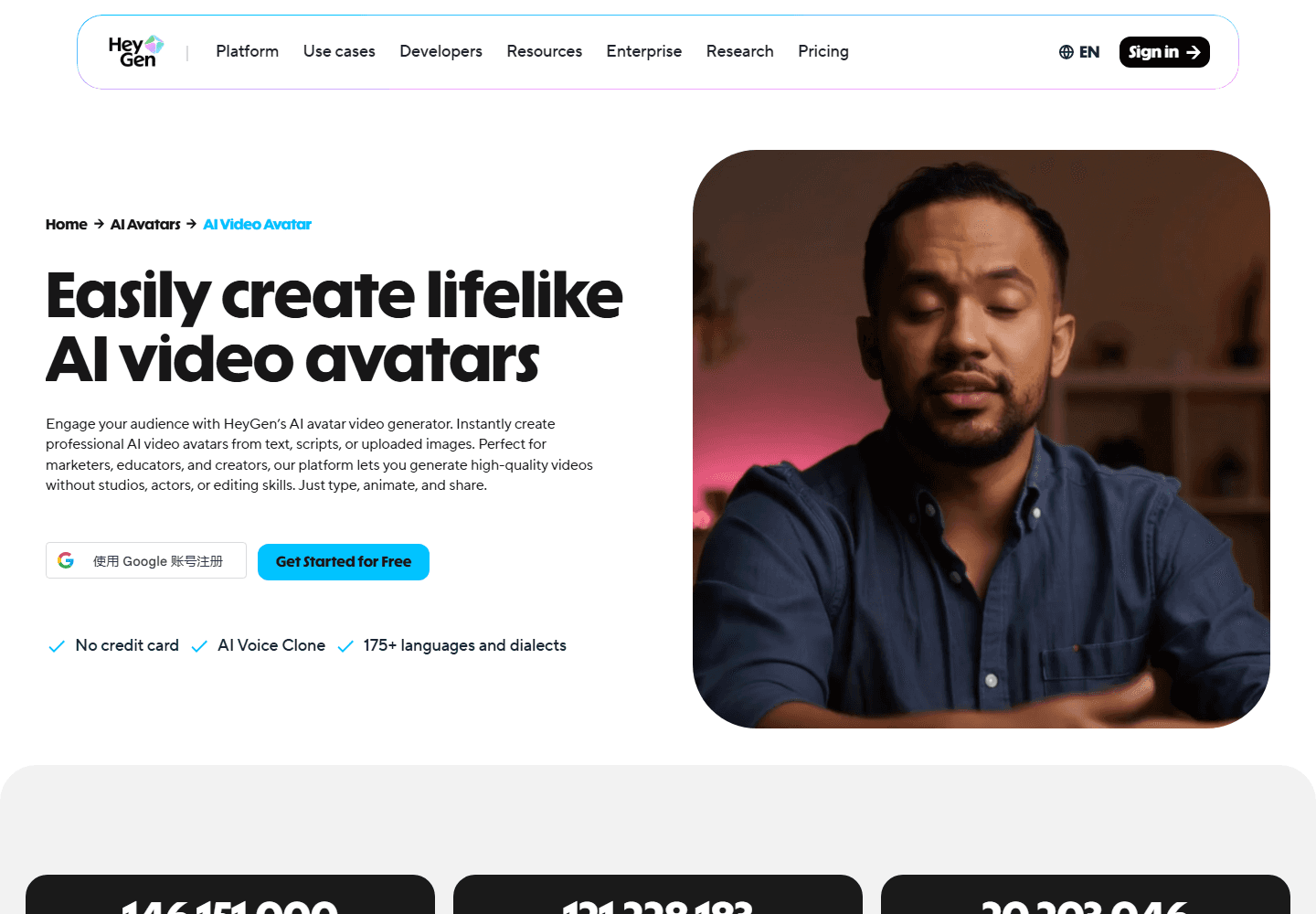
HeyGen is not just an avatar page. Its official avatar page positions the product around lifelike AI video avatars, scripts, uploaded images, voice cloning, and broad language coverage. That matters because many searches for "HeyGen alternatives" mix together different needs.
A training team may need templates, review, and slide-friendly scenes. A localization team may need dubbing and subtitles. A product team may need an avatar API. A technical team may want self-hosted control. Those are not the same buying decision.
Definition
What counts as a HeyGen alternative?
A useful replacement should do at least one job well enough to change your workflow. I would not rank a dubbing specialist against an avatar API as if they solve the same problem.
Avatar video generation
Turn a script into a presenter-led video with scenes, voices, and basic editing control.
Dubbing and localization
Translate speech, subtitles, voice, timing, and review across languages.
Training-video workflow
Support templates, slide import, screen-friendly layouts, quizzes, review, and repeat production.
Open-source control
Offer local or self-hosted pieces for teams that can own model deployment and policy.
Shortlist
HeyGen alternatives for avatars, dubbing, and training videos
This shortlist favors official pages with a clear role. The hosted tools are practical replacements for business workflows. The open-source projects are useful when you can build and operate missing pieces yourself.
Best hosted training-video replacement
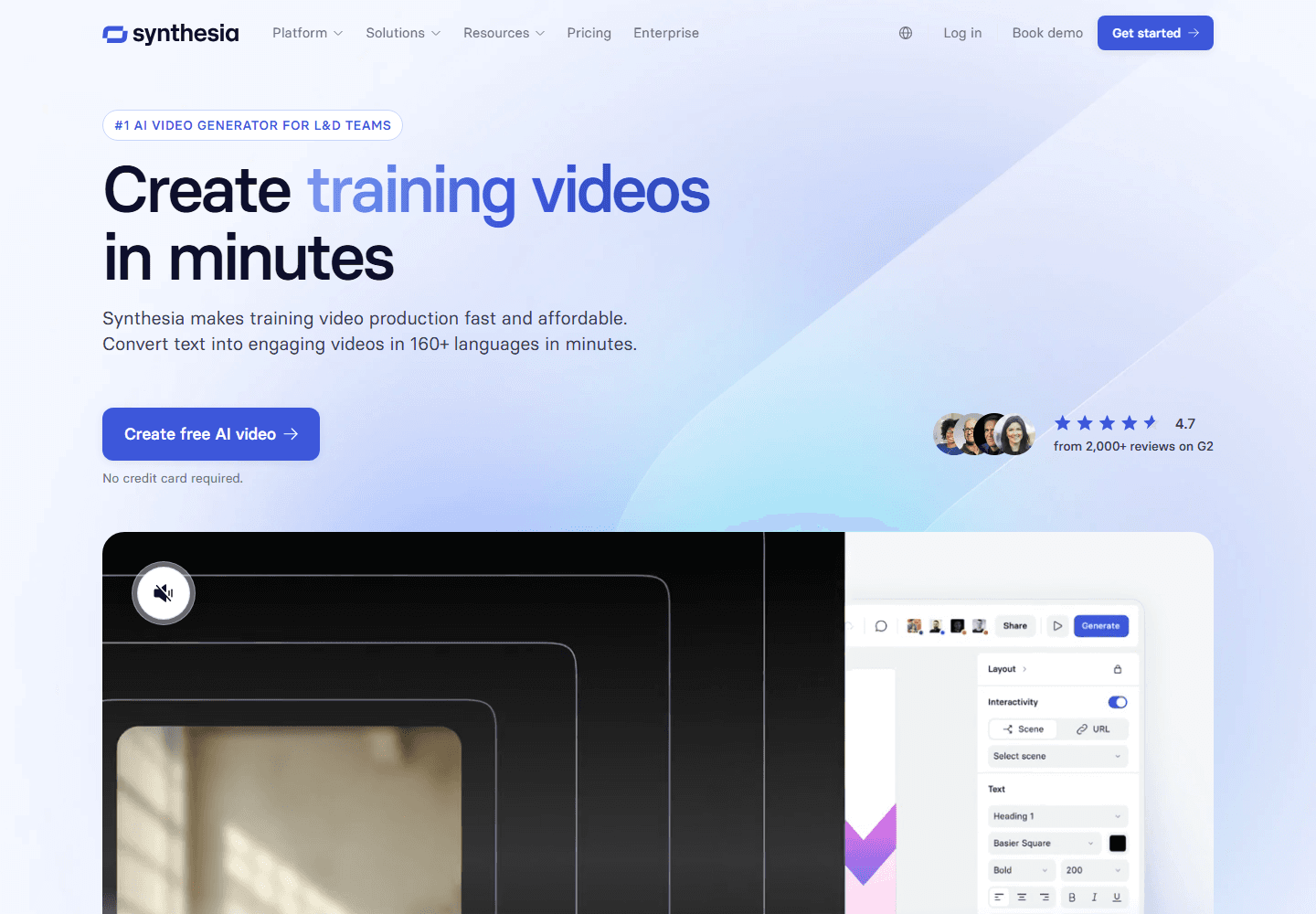
Synthesia
Best for
L&D, enablement, compliance, and internal training teams that want polished avatar-led videos without building a production pipeline.
Open source
Not open source. Choose it when workflow reliability beats model control.
Avatar fit: Strong. Synthesia is built around script-to-video workflows with AI presenters, templates, and team publishing controls.
Dubbing fit: Good for multilingual production, but it is not the narrowest choice if dubbing is the only job.
Training fit: Very strong. Its positioning is explicitly tied to training and learning teams.
Watch out: If your main HeyGen pain is price or vendor lock-in, moving to another hosted enterprise video suite may not solve the root issue.
Start here when the replacement needs to feel like a production-ready training video platform on day one.
Best for interactive team training
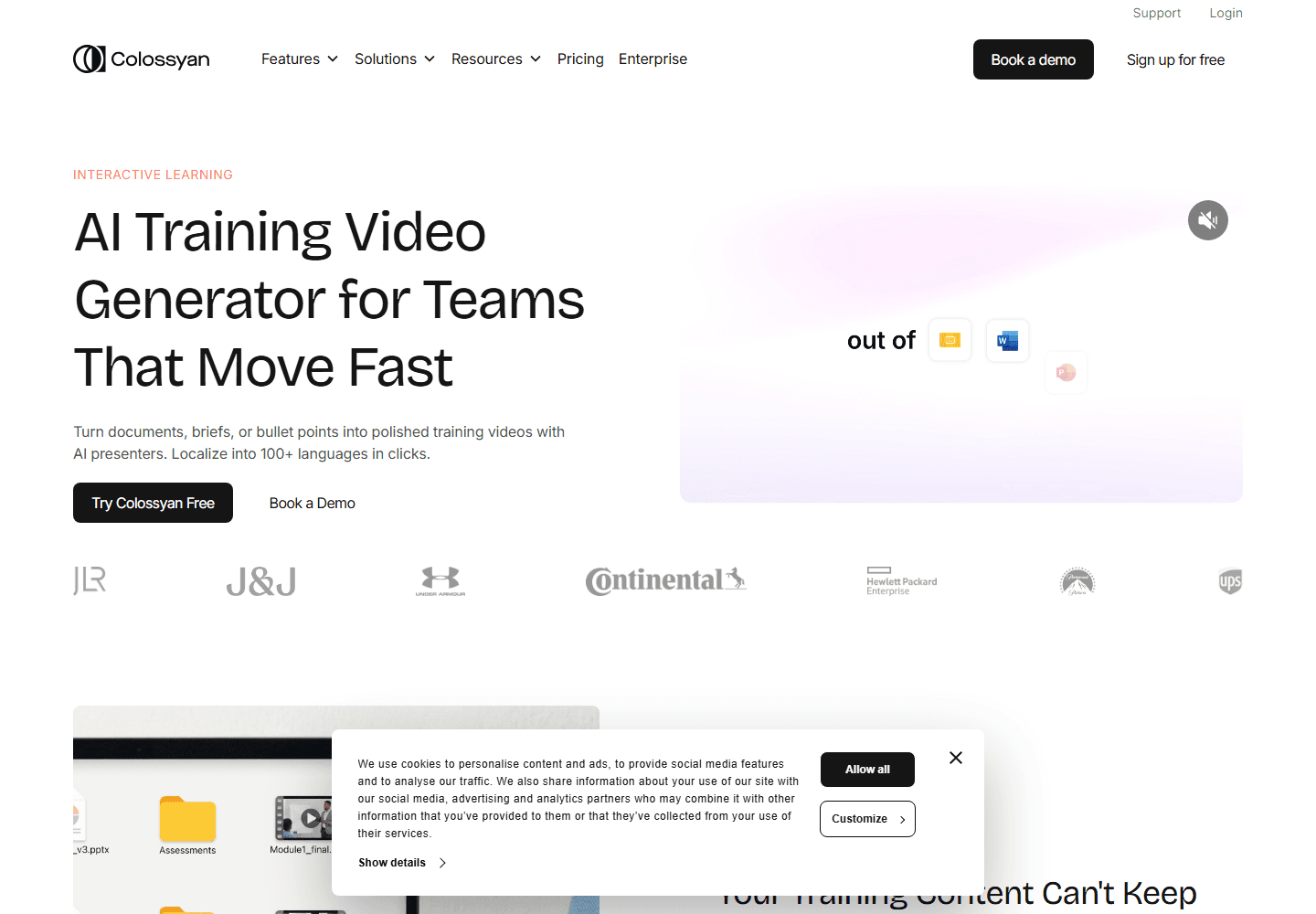
Colossyan
Best for
Training teams turning documents, briefs, slide content, and learning modules into presenter-led videos.
Open source
Not open source. It is a managed workflow choice.
Avatar fit: Strong. AI presenters are central to the product, not a side feature.
Dubbing fit: Good. Colossyan foregrounds localization and language coverage for training content.
Training fit: Very strong. The product is shaped around training content, interactive learning, and team review.
Watch out: It is optimized for training operations. If you need developer APIs or deep avatar customization, test those paths early.
Pick Colossyan when the real job is team learning, not just making one avatar clip.
Best avatar and API-focused option
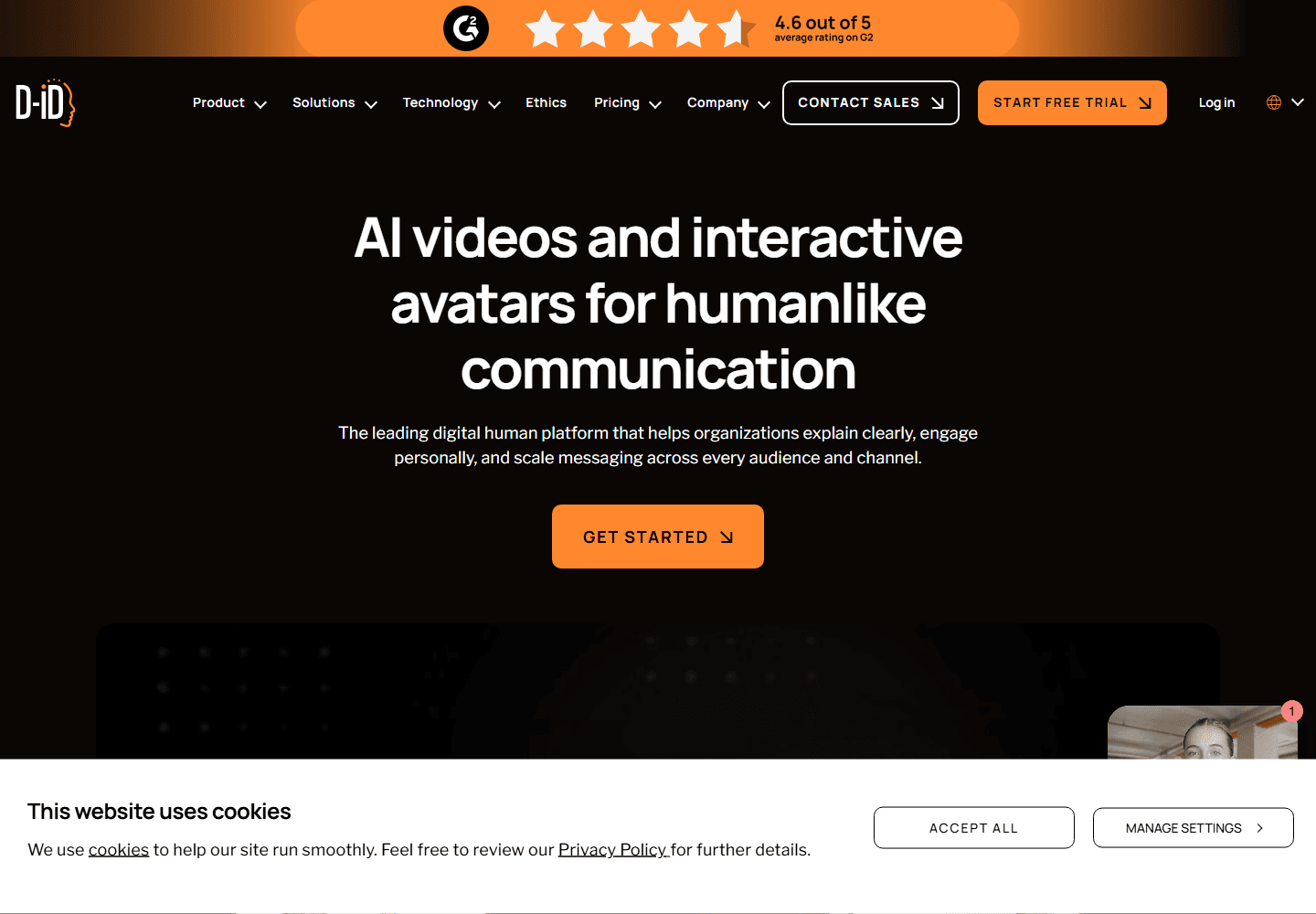
D-ID
Best for
Products, agents, landing pages, support flows, and apps that need avatar video or interactive presenter APIs.
Source
Open source
Not open source. Treat it as a hosted API/product platform.
Avatar fit: Very strong. D-ID is strongest when the avatar itself is the product surface.
Dubbing fit: Limited as a dedicated dubbing replacement. Pair it with a localization workflow if translation is the core need.
Training fit: Moderate. You can build training experiences around D-ID, but it is not primarily a training-video suite.
Watch out: A strong avatar API does not automatically give you course structure, review workflows, or localization QA.
Use D-ID when you care more about avatar interaction and developer surface than training templates.
Best dubbing and localization specialist
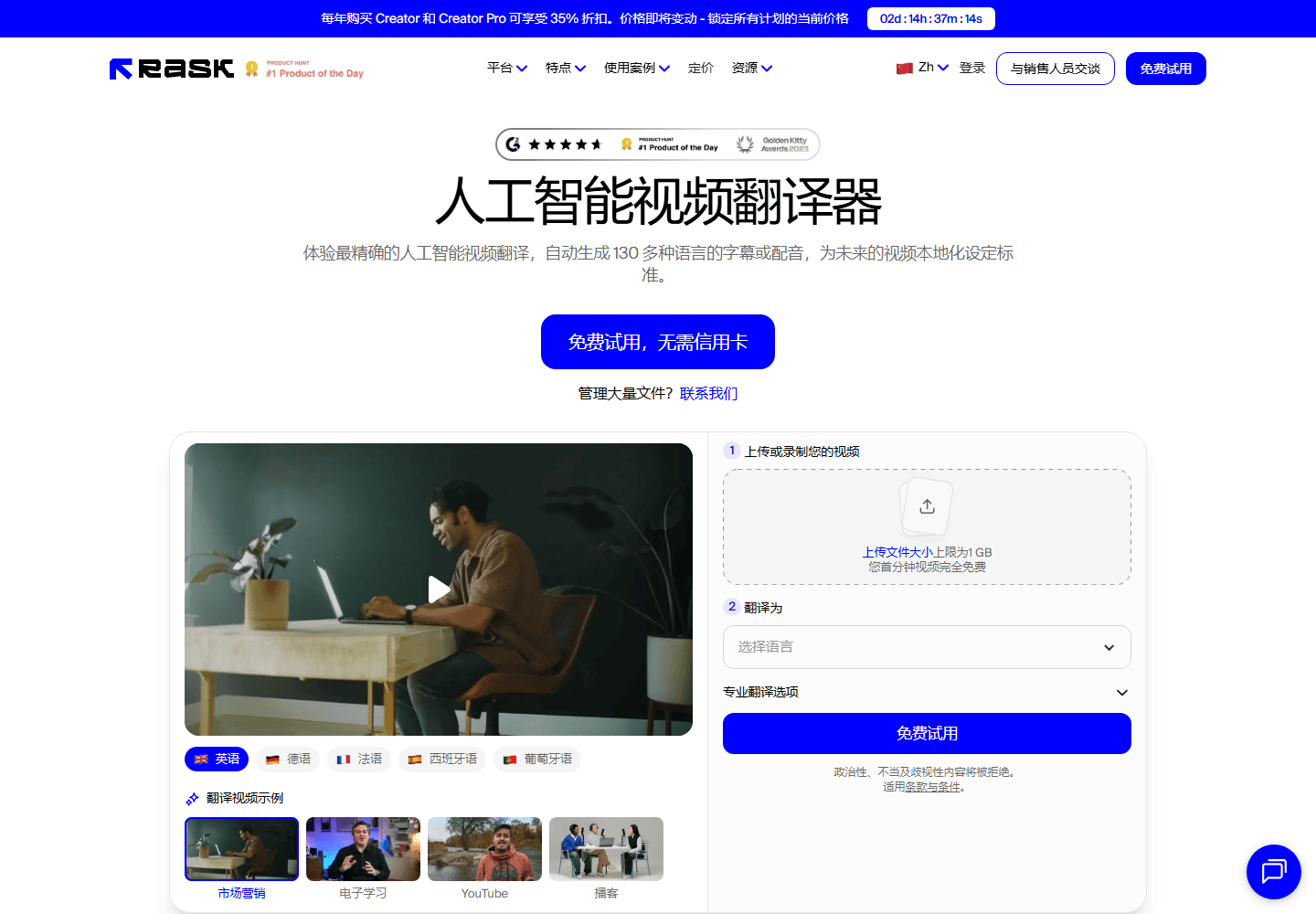
Rask AI
Best for
Teams translating existing videos into multiple languages, especially when subtitles, voiceover, and timing matter more than avatar creation.
Source
Open source
Not open source. It is a hosted translation workflow.
Avatar fit: Weak as a direct avatar generator. Rask belongs in the localization lane.
Dubbing fit: Very strong. It is the most obvious specialist if your HeyGen replacement project starts with video translation.
Training fit: Good for training localization after a video already exists. It is not the full course-video authoring environment.
Watch out: Do not choose it as the only replacement if your team still needs avatar selection, script scenes, and new video authoring.
Use Rask AI when dubbing is the bottleneck and avatar generation is secondary.
Best broad avatar video generator
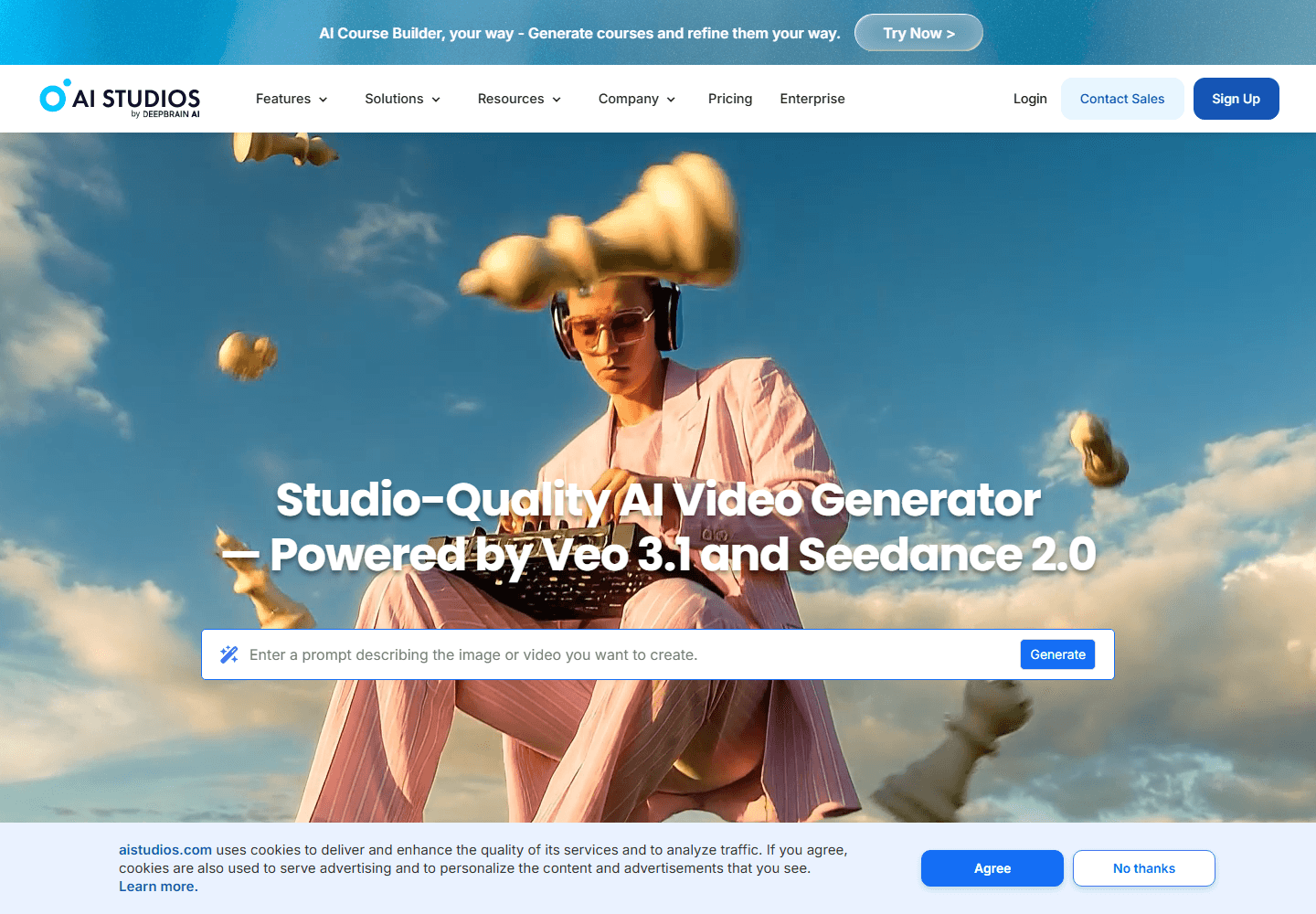
AI Studios
Best for
Teams that want a wide AI video workspace with avatars, prompt-to-video features, and a general production surface.
Open source
Not open source. It is a hosted platform.
Avatar fit: Strong. AI avatars are part of the core product family.
Dubbing fit: Good, depending on the exact workflow and plan you test.
Training fit: Good for business video production, but compare it against Synthesia, Colossyan, and Elai for L&D-specific workflows.
Watch out: Broad tools can look powerful in demos. Test the exact repeat workflow your team will run every week.
Shortlist AI Studios when you want one flexible video workspace instead of a narrowly training-focused product.
Best training-focused text-to-video option
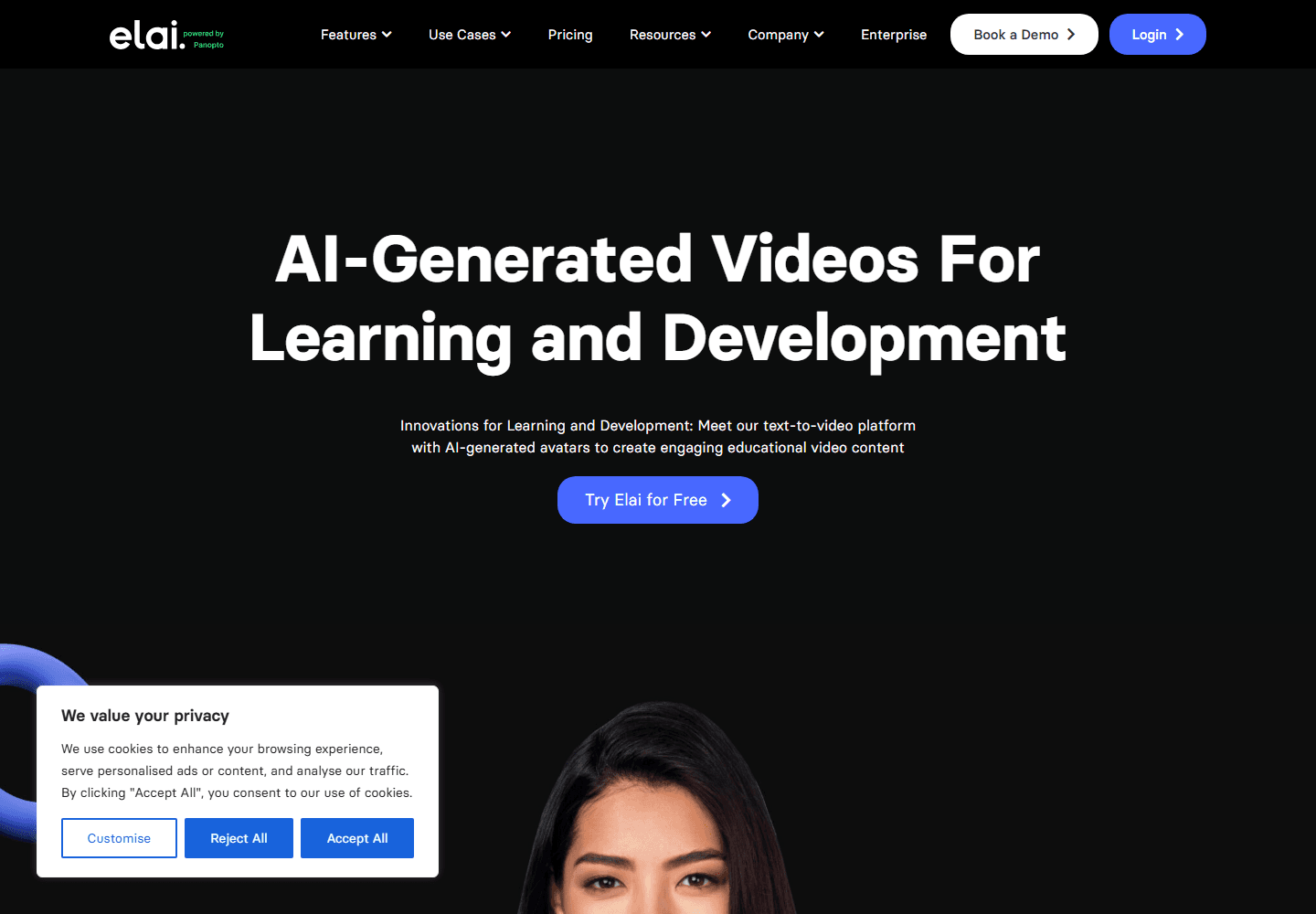
Elai
Best for
Education, training, and enablement teams that want text-to-video with avatars and learning-content positioning.
Open source
Not open source. It is a managed SaaS alternative.
Avatar fit: Strong. Elai uses AI avatars as a main part of the training video workflow.
Dubbing fit: Moderate to good. Confirm the exact language and voice workflow before moving a multilingual program.
Training fit: Strong. Its learning and development page maps well to internal training use cases.
Watch out: If your team needs deep dubbing QA or developer APIs, do not assume the training workflow covers those needs.
Test Elai when your HeyGen usage is mostly learning content and slide-to-video production.
Closest open-source avatar-video starting point
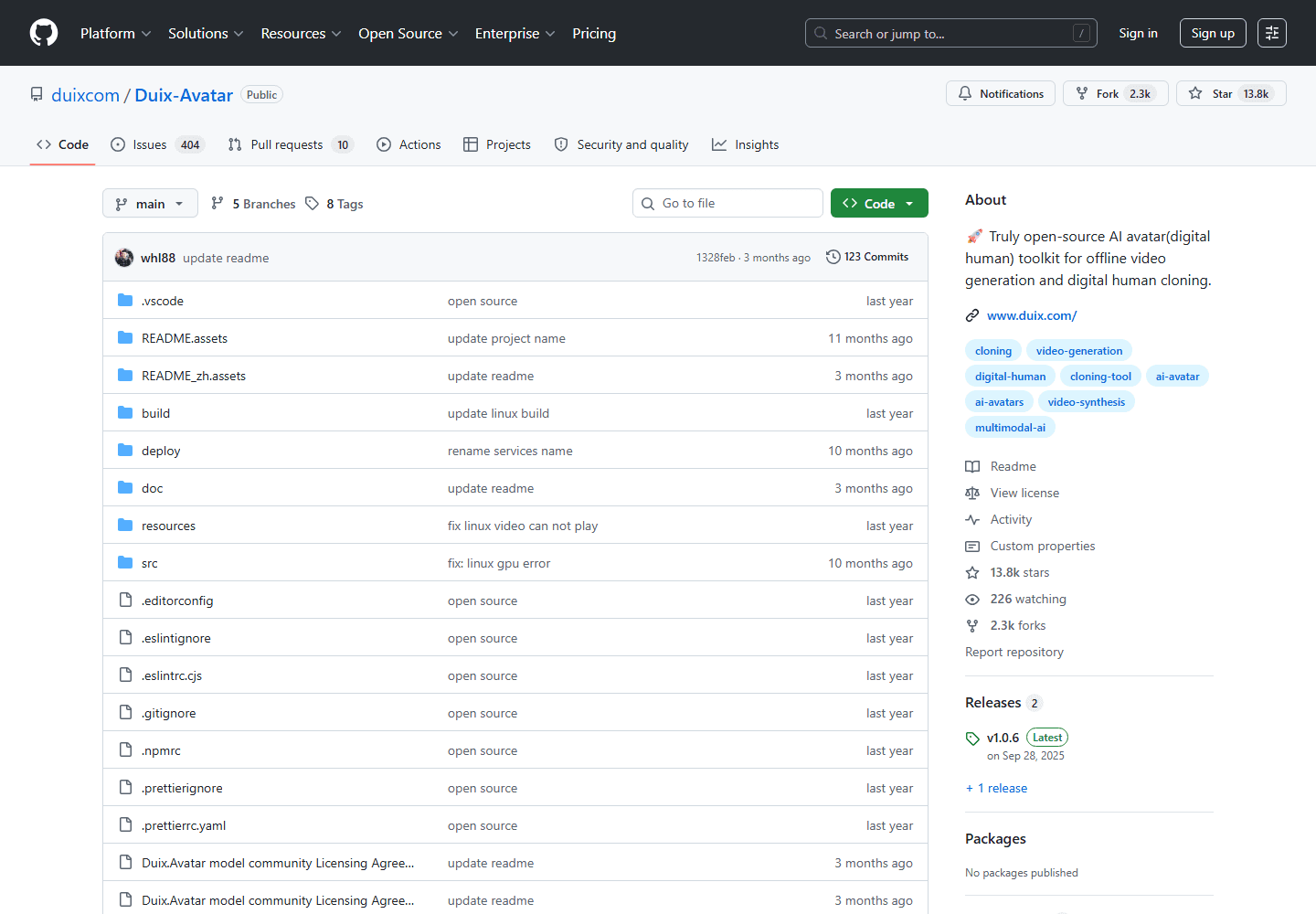
Duix-Avatar
Best for
Technical teams evaluating local digital-human generation, self-hosted avatar demos, and internal prototypes.
Open source
Strongest in this list for the query heygen alternatives open source, but still requires license, model, and deployment review.
Avatar fit: Good for open-source experimentation. It is closer to an avatar workflow than a raw model repository.
Dubbing fit: Partial. You still need voice, translation, timing, and QA around the generated avatar video.
Training fit: Weak out of the box. Training workflow has to be built around it.
Watch out: Open source does not remove production work. Expect setup time, GPU testing, model review, consent policy, and maintenance.
Use Duix-Avatar when control matters enough to trade away hosted-product convenience.
Best open-source lip-sync building block
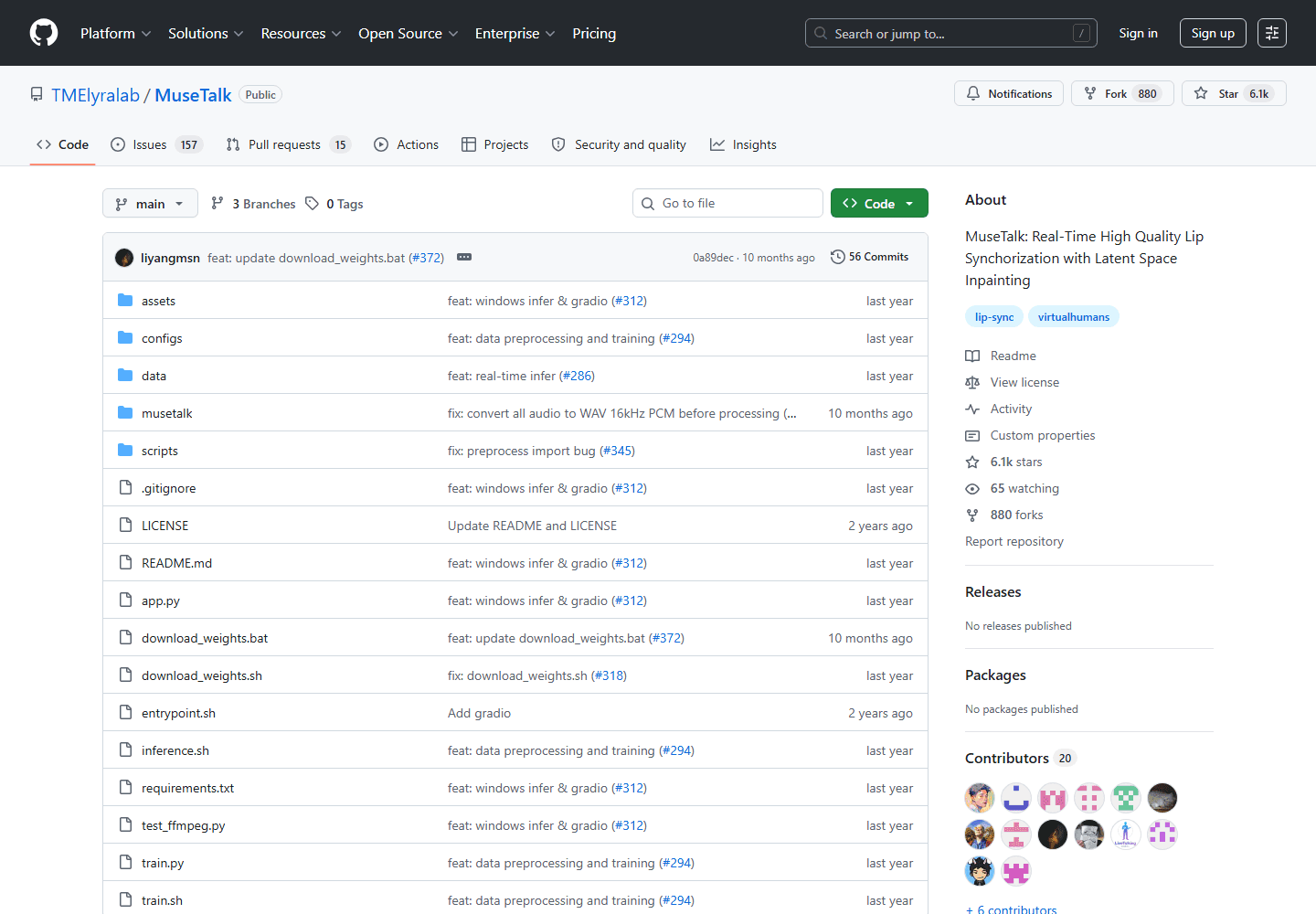
MuseTalk
Best for
Developers testing lip synchronization for avatar clips, dubbing demos, and research prototypes.
Open source
Good as a model/code building block. It is not a complete HeyGen replacement.
Avatar fit: Partial. It can support avatar video pipelines, but it is not a full avatar studio.
Dubbing fit: Good as one technical piece of a dubbing pipeline because lip sync is the visual quality bottleneck.
Training fit: Weak by itself. It has no course authoring, template, review, or team publishing layer.
Watch out: You still need source video, audio generation, translation, rendering, UI, storage, and compliance around it.
Reach for MuseTalk when your open-source question is specifically about lip sync quality.
Best established lip-sync benchmark
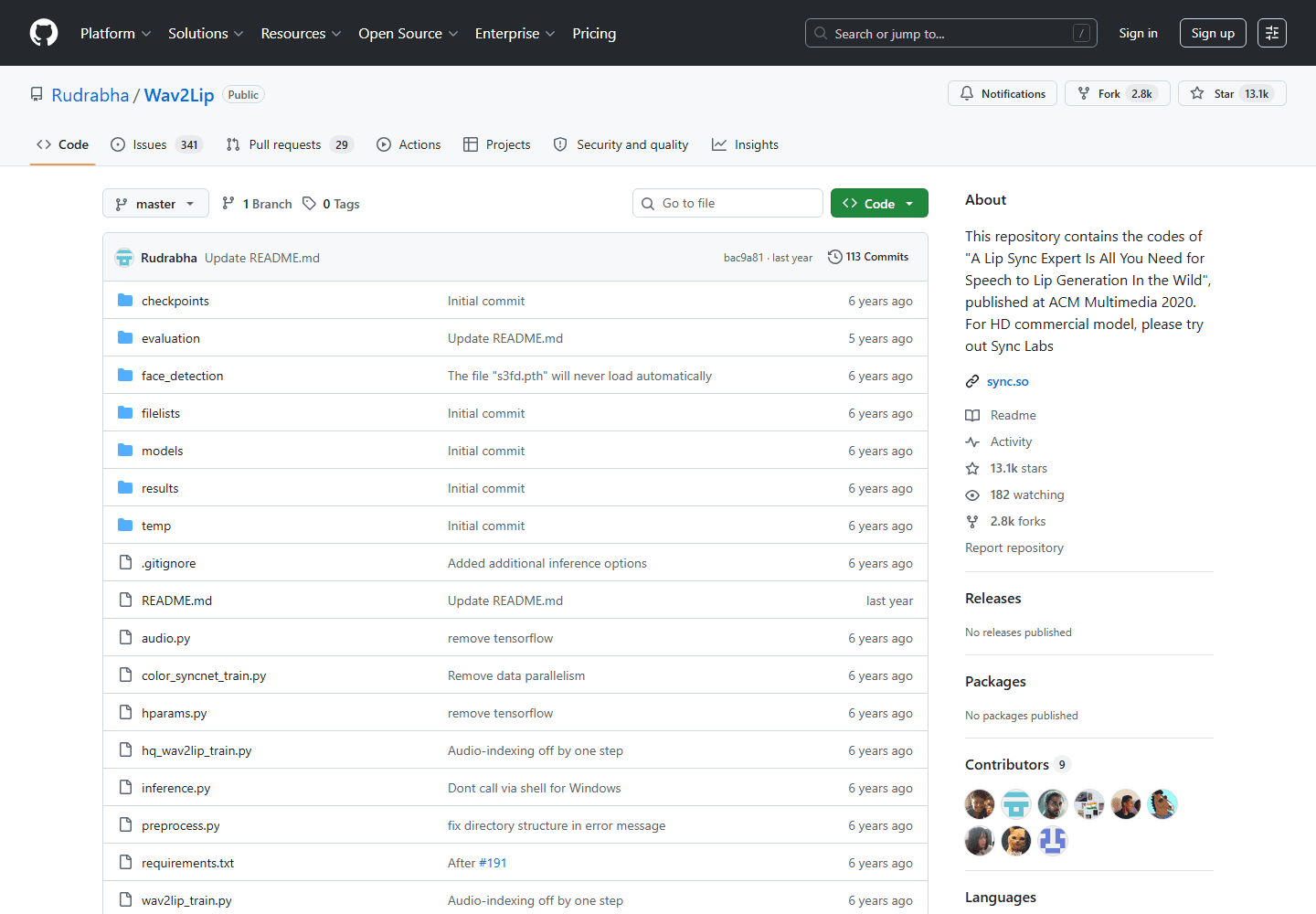
Wav2Lip
Best for
Benchmarking lip-sync expectations and understanding the older open-source path behind many avatar-video experiments.
Open source
Useful for research and prototypes. Review license and usage terms carefully before any commercial plan.
Avatar fit: Partial. It is a lip-sync project, not a video avatar product.
Dubbing fit: Useful for experiments where the translated audio already exists and lip movement is the missing layer.
Training fit: Weak. It has no training-video workflow.
Watch out: Do not pick Wav2Lip because it is famous. Pick it only if your team accepts the maintenance and usage constraints.
Keep Wav2Lip on the bench as a reference point, not as the main migration target.
Decision
Which alternative should you test first?
| Need | Start with |
|---|---|
| I need polished avatar-led training videos | Synthesia, Colossyan, or Elai |
| I mainly need video translation and dubbing | Rask AI |
| I need avatars inside a product or API workflow | D-ID |
| I want a broad AI video creation workspace | AI Studios |
| I am searching for heygen alternatives open source | Duix-Avatar first, then MuseTalk or Wav2Lip for lip sync |
| I need a true no-code replacement this week | Use hosted tools; do not start with open source |
Reality check
The open-source path is a pipeline, not a product swap.
The phrase heygen alternatives open source usually means one of two things. Some buyers want to avoid subscriptions. Some technical teams want data control, deployment control, and the freedom to assemble their own avatar pipeline. The second reason is stronger.
Open-source avatar and lip-sync projects can be useful, but they do not magically replace account management, avatar libraries, script editing, translation QA, rendering queues, storage, consent policy, or support. Count those costs before calling open source cheaper.
- Start with one representative training script and one multilingual dubbing clip.
- Generate the same output in two hosted tools before touching open source.
- If open source still matters, test Duix-Avatar for workflow shape and MuseTalk or Wav2Lip for lip-sync quality.
- Measure setup time, GPU or CPU cost, failure rate, render time, and manual edit time.
- Review licenses, model terms, consent policy, and commercial-use constraints before shipping.
- Keep a hosted fallback until your self-hosted workflow has logs, retries, review, and rollback.
Switching
When to stay with HeyGen
Your team publishes every week
Switching costs can be higher than plan costs if templates, review, and brand presets already work.
You need one bundled product
Avatar creation, dubbing, review, billing, and team admin are separate problems in a custom stack.
You do not have a model owner
Open-source video generation needs someone to own setup, updates, evaluation, and failures.
Your legal process is not ready
Avatar and voice workflows need consent, disclosure, retention, and misuse controls.
FAQ
Common questions
What are the best heygen alternatives for training videos?
Start with Synthesia, Colossyan, or Elai if the main job is avatar-led training, compliance, enablement, or L&D video production.
What is the best HeyGen alternative for dubbing?
Rask AI is the clearest dubbing and video localization specialist in this shortlist. Use it when translation, subtitles, voiceover, and timing matter more than creating a new avatar scene.
Are there heygen alternatives open source?
Yes, but they are usually building blocks rather than complete SaaS replacements. Duix-Avatar is the closest avatar-oriented starting point, while MuseTalk and Wav2Lip are lip-sync components.
Can open-source avatar tools replace HeyGen for a business team?
Only if the team can own deployment, model evaluation, consent policy, rendering, storage, QA, and maintenance. For most non-technical teams, hosted products are safer.
Sources
Official pages checked
Product pages, language support, open-source repositories, and plan access can change. These official pages and screenshots were checked on Jul 3, 2026. Confirm exact plan limits, commercial terms, and license requirements before migrating a production workflow.