SwitchMyTool

The real trade
Leaving ElevenLabs means replacing a product, not just a model.
A weak tool is easy to leave. ElevenLabs is harder because it bundles the parts people forget to price: a web studio, voices, API access, projects, cloning features, account controls, and a workflow that a non-engineer can use without opening a terminal.
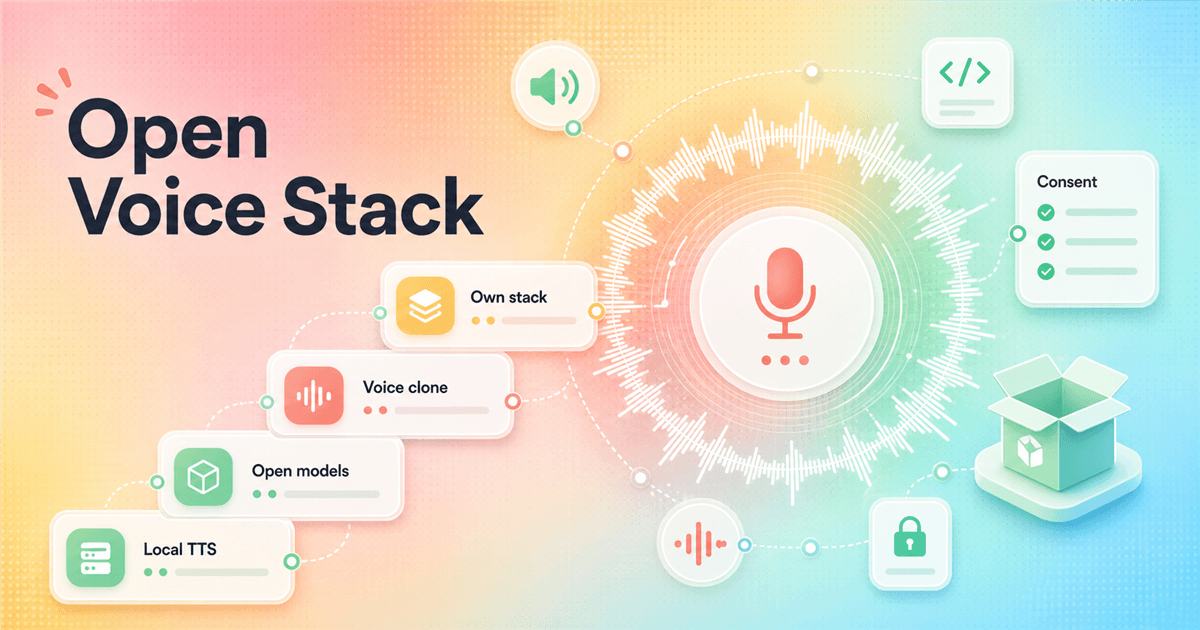
Open-source TTS changes the deal. You gain visibility, portability, local execution, and a stronger chance of escaping vendor lock-in. You also inherit infrastructure, quality control, model selection, consent policy, file management, and license review. That trade can be worth it. It is just not a free lunch wearing a GitHub hoodie.
The best free and open-source ElevenLabs alternative depends on the job. A YouTube creator, a kiosk builder, a privacy-sensitive SaaS team, and a speech-research engineer should not pick the same stack. If an article tells all four of them to use the same repo, close the tab gently and go make coffee.
Hosted baseline
What ElevenLabs still gives you.
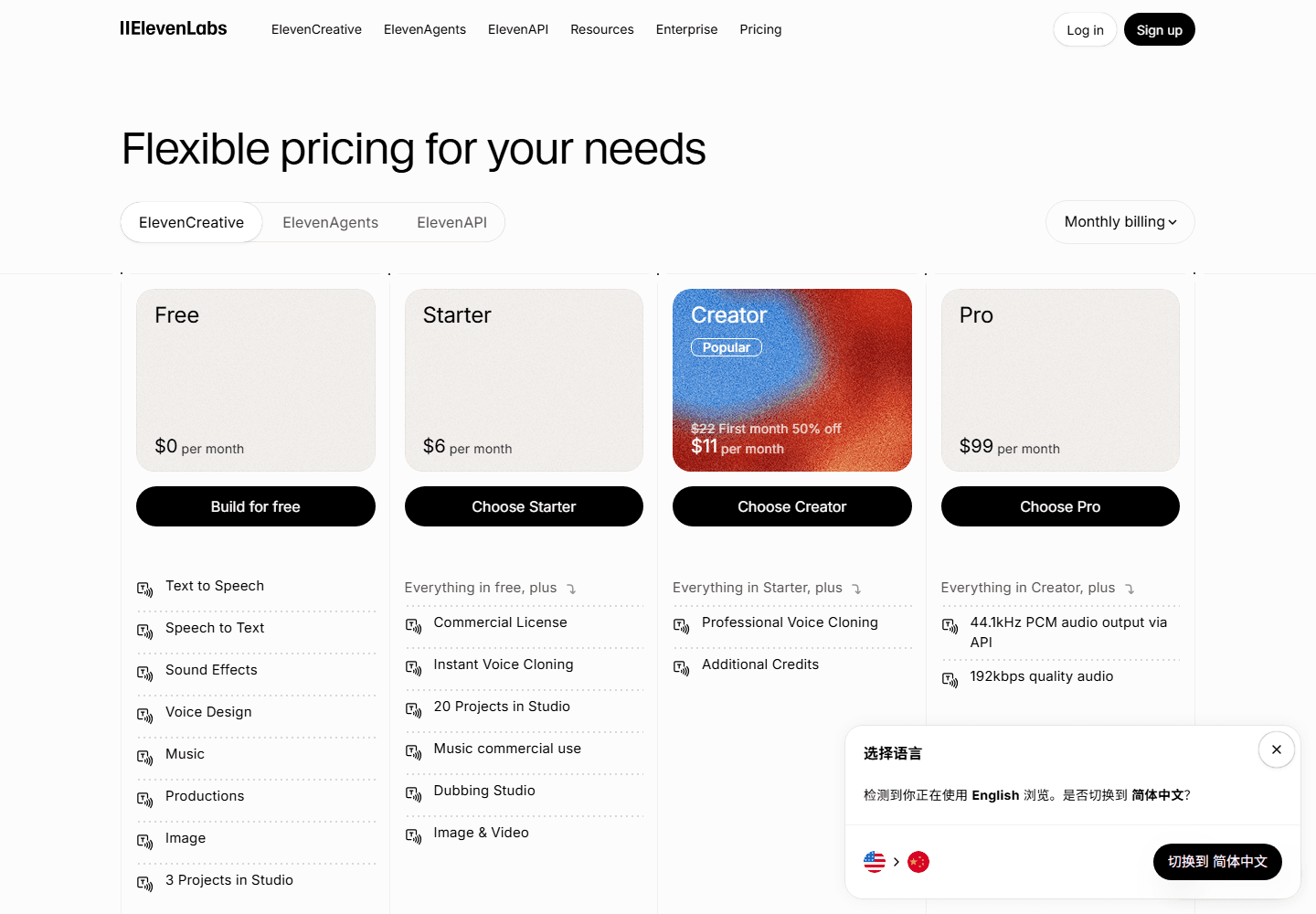
The current ElevenLabs pricing page lists a Free plan with 10,000 monthly credits. Starter adds 30,000 credits, commercial use, Dubbing Studio, and instant voice cloning. Creator adds more credits and professional voice cloning. That is the bundle you are comparing against.
Open projects can beat pieces of that bundle. Kokoro can make local narration feel cheap and simple. Piper can speak without the cloud. Chatterbox and OpenVoice can give engineers more visibility into voice cloning. Qwen3-TTS and CosyVoice can help model-heavy teams test multilingual speech. But the hosted product layer does not disappear just because a model sounds good.
Customer research
The common complaints are about cost, rights, clone trust, and local setup.
Reddit is not a clean survey. It overrepresents technical users, skeptics, and people who are annoyed enough to post. Still, it is useful for language. People looking for elevenlabs alternatives rarely complain in neat vendor categories. They complain that credits are hard to predict, licenses are easy to misread, cloned voices need adult supervision, and local models take more work than the demo suggested.
I treated public community searches as voice-of-customer signals and official pages as the factual source. That means the complaints below are medium-confidence themes, not hard statistics.
Credit anxiety
People looking for elevenlabs alternatives often start with the bill. Credits feel harmless until a long narration run, a bad batch, or a few regenerated voice clones eats more than expected.
Commercial rights confusion
Free plans and open repos do not answer the same question. A creator may care about commercial use, while an engineer may care about model weights, dataset terms, and whether a license follows the app into production.
Voice clone trust
Cloning demos are fun for ten seconds. Teams get nervous when the speaker drifts, consent is fuzzy, or a generated voice sounds close enough to create legal and brand headaches.
Local setup pain
Reddit-style threads often like local control in theory, then complain about GPU needs, broken installs, language coverage, latency, and the time it takes to make one clean audio file.
Decision table
Pick by workflow first, then by model.
If you start with the model name, you will probably over-test and under-decide. Start with the work. Are you generating local narration? Shipping an offline device? Cloning a consenting speaker? Translating training videos? Researching custom voice models? Each job points to a different starting point.
| Your job | Start with | Why |
|---|---|---|
| I need a cheap first local narration test | Kokoro | Apache-2.0 weights, small enough to test quickly, and good for simple batch narration. |
| I need a tiny CPU-friendly voice path | Kitten TTS | Apache-2.0 repo and a sub-25MB positioning make it interesting for prototypes and edge devices. |
| I need offline speech in an app or device | Piper | Fast local neural TTS with a GPL-3.0 license. Great for offline use, but legal review matters. |
| I need open-source voice cloning | Chatterbox, F5-TTS, OpenVoice | Good research paths, but consent, output review, and commercial terms decide whether they belong in production. |
| I need multilingual model experiments | Qwen3-TTS and CosyVoice | Both have broader model-family ambitions than basic narration, with more setup and testing work. |
| I need recipes, training code, and historical context | Coqui TTS | Still useful as a toolkit, but not the simplest fresh production bet for a non-ML team. |
Shortlist
The open-source alternatives worth testing.
This shortlist favors official pages, visible repository status, and a clear role. It does not pretend that every option is equally mature or equally safe for commercial use. That would be cleaner. It would also be less useful.
Best first local narration test
Kokoro
Best for
Solo creators, product teams, support teams, and developers who want local narration before committing to a hosted voice platform.
Not for
Teams that need a complete studio, speaker management, dubbing workflows, team roles, or a polished review surface today.
Migration cost
Low for experiments. Medium for production because you still need batching, pronunciation checks, storage, retries, and a human approval step.
License reality
Apache-2.0 model card tag
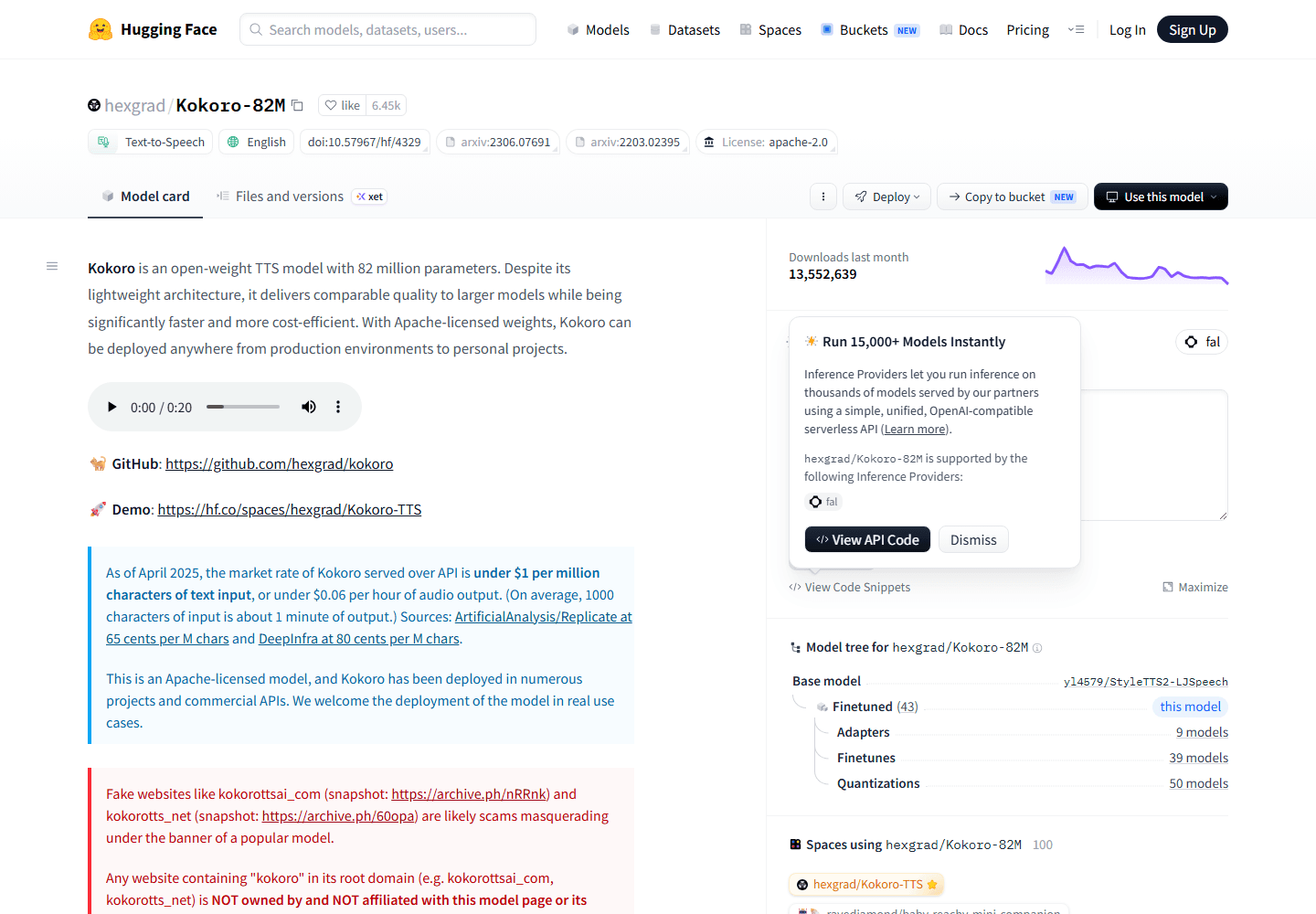
Kokoro is the project I would test first when the real job is plain speech generation. Not voice cloning. Not a full creator studio. Just text in, usable audio out, without turning every small narration task into another SaaS bill.
The Hugging Face model API lists Kokoro-82M as text-to-speech and tags it with Apache-2.0. That does not mean every use case is magically solved, but it makes the first test much easier to justify. You can run local experiments, listen to the output, and decide whether open source alternatives to ElevenLabs can cover the boring part of your workload.
Boring is not an insult here. Most teams do not need a dramatic voice clone for every workflow. They need onboarding snippets, help-center narration, spoken product tips, internal demos, or synthetic audio for tests. Kokoro belongs in that lane.
First test
Generate 30 lines: product names, numbers, acronyms, support apologies, and one paragraph you already know well.
Common complaint
Local models can sound good in short clips and still get tiring across a whole tutorial. Test longer scripts, not one perfect sentence.
Best tiny CPU-friendly experiment
Kitten TTS
Best for
Developers testing speech in lightweight apps, prototypes, edge devices, internal demos, or workflows where a tiny model is easier to ship.
Not for
Creators who expect premium studio voices, rich emotion controls, or a managed web product for non-technical editors.
Migration cost
Low to medium. The install may be simple, but production still needs audio QA, fallback voices, and hardware checks on the actual target machine.
License reality
Apache-2.0 repository license
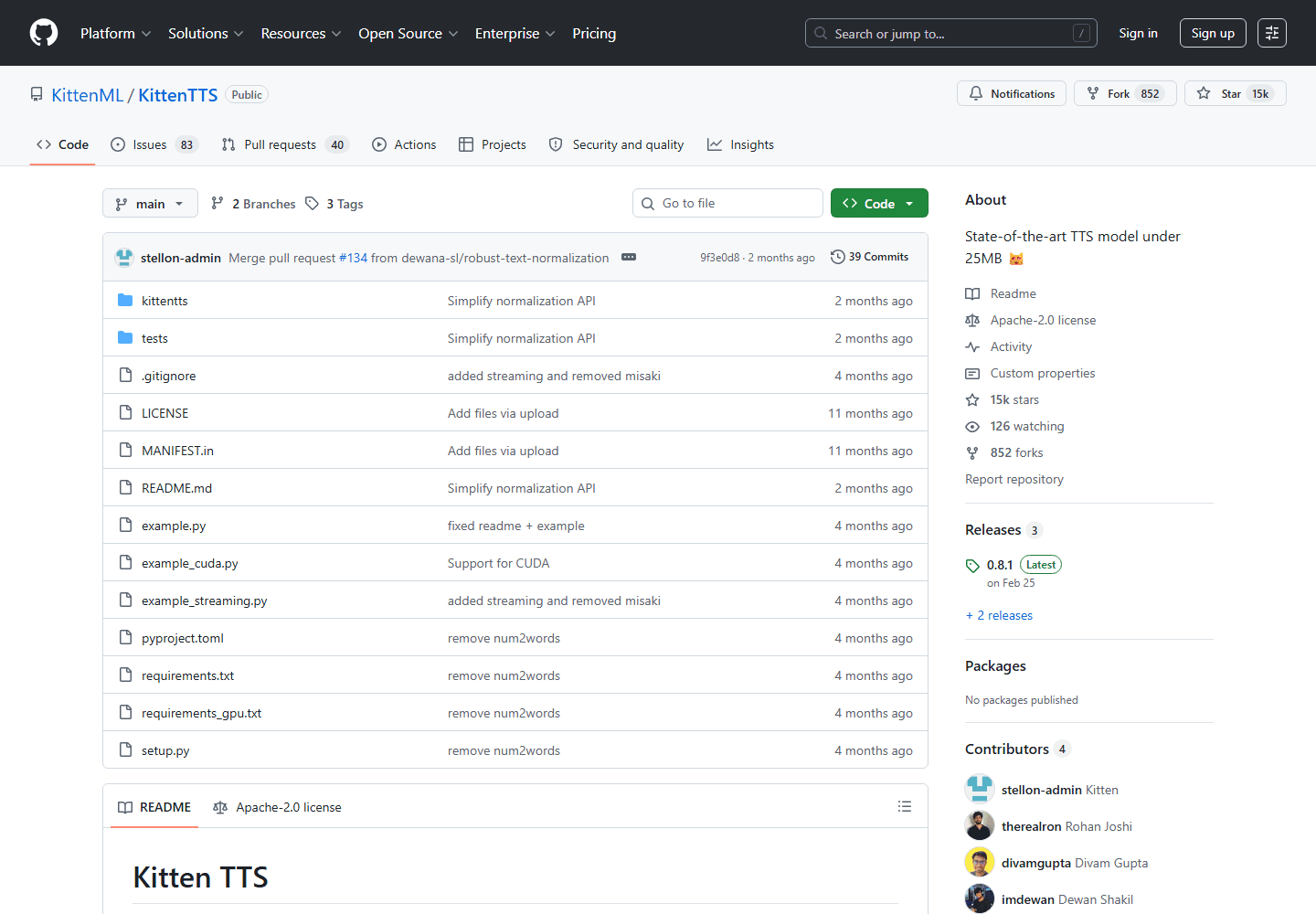
Kitten TTS is a useful reminder that an ElevenLabs replacement does not always need to chase cinematic voice quality. Sometimes the winning feature is smallness. The GitHub repository describes it as a state-of-the-art TTS model under 25MB and uses an Apache-2.0 license.
That makes it interesting for app builders. If you want speech in a local agent, desktop helper, educational toy, or device workflow, a tiny CPU-friendly model may be more useful than a huge model that sounds better on a demo machine but does not fit your deployment reality.
The risk is expectation mismatch. Kitten TTS should not be sold internally as a drop-in ElevenLabs Studio replacement. Treat it as a practical path for simple, local, low-friction speech. If the business needs brand-perfect voiceovers, you need a harsher bake-off.
First test
Run it on the weakest device you care about, then compare a 20-second clip with your current ElevenLabs baseline.
Common complaint
People like tiny local models until they compare them with a polished hosted voice. The bar needs to match the job.
Best offline and embedded TTS
Piper
Best for
Kiosks, local agents, home assistants, accessibility tools, hardware products, and internal apps that need speech without a cloud round trip.
Not for
Commercial products that cannot accept GPL obligations, or teams that need premium cloned voices and a creator-friendly dashboard.
Migration cost
Medium. Engineering setup is manageable, but legal review and target-device performance testing are not optional.
License reality
GPL-3.0 repository license
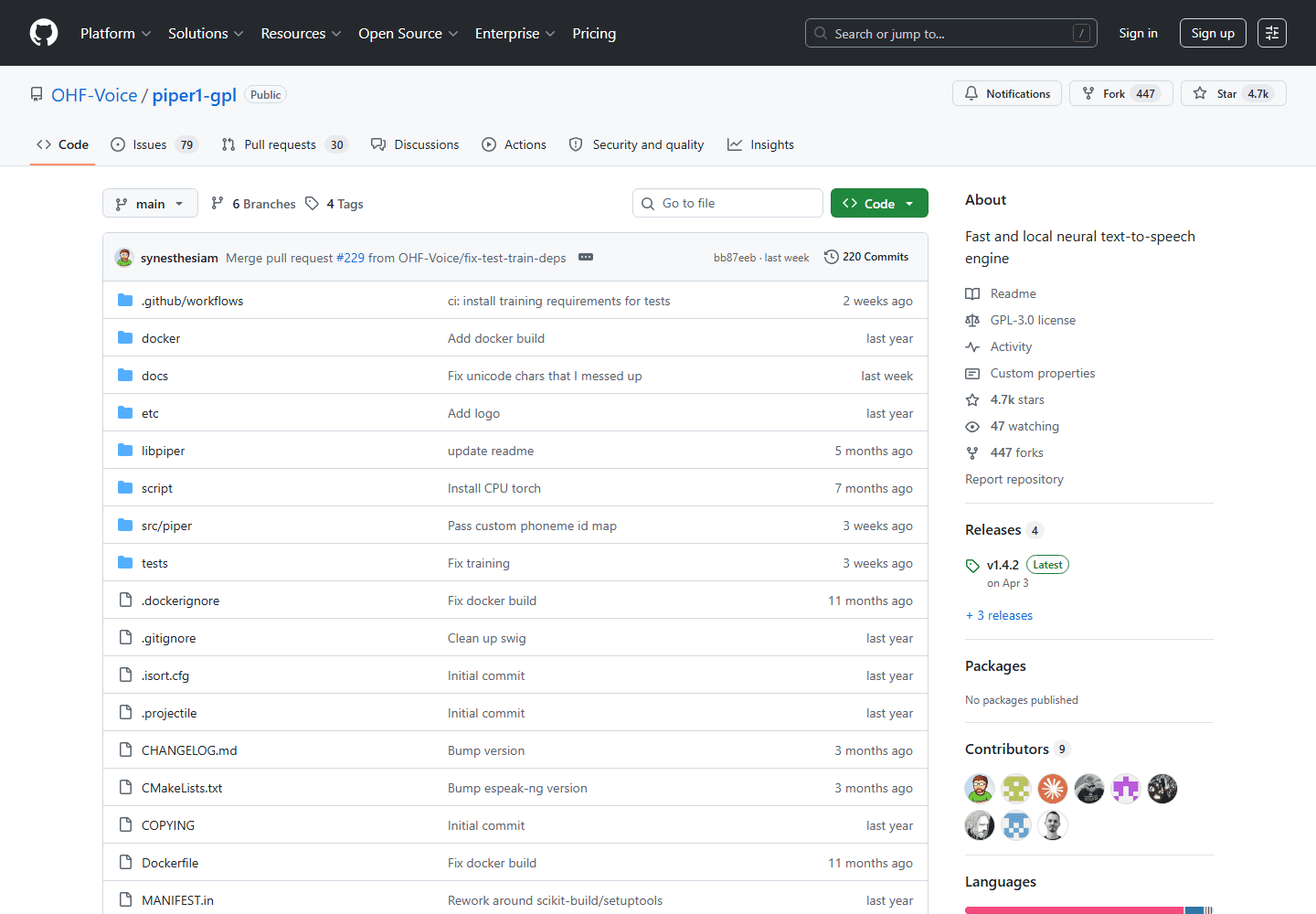
Piper is the least glamorous recommendation in this list, which is exactly why it matters. It is a fast local neural text-to-speech engine. If your app needs to speak when the internet is down, a hosted voice API is the wrong dependency.
This is the option for builders who care about offline behavior. A kiosk should not lose its voice because a vendor API is slow. A local assistant should not phone home for every status update. A field tool should not wait on a network request before reading a warning aloud.
The serious caveat is the license. GitHub reports the current Piper repository as GPL-3.0. That may be fine for your project, or it may be completely wrong. Do not let someone reduce open source to 'free.' Free code can still come with obligations you need to understand.
First test
Run it on the exact device, with the exact text lengths, while the rest of your app is doing normal work.
Common complaint
The common offline-TTS complaint is not that it cannot speak. It is that device performance, voice choice, and pronunciation edge cases show up late.
Best current voice-cloning candidate
Chatterbox
Best for
Teams that need to test open-source voice cloning with inspectable code, consent workflows, and a real review process.
Not for
Anyone who wants to let users clone voices casually without policy, logging, speaker consent, or misuse controls.
Migration cost
Medium to high. The model is only part of the migration. Consent capture, sample storage, abuse prevention, and output review are the harder pieces.
License reality
MIT repository license
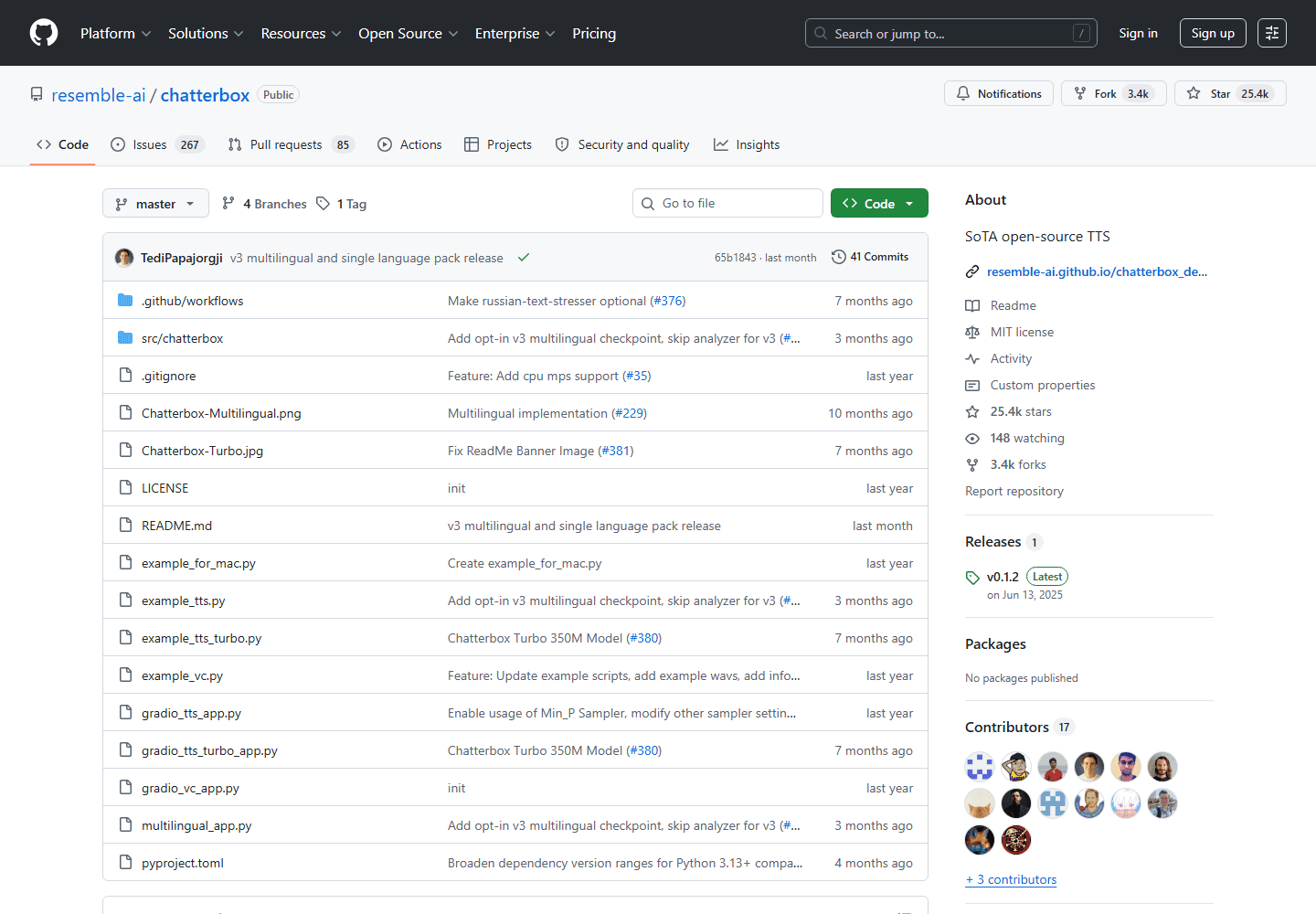
Chatterbox is the candidate I would put first when the search phrase is really about open-source voice cloning. The repository is from Resemble AI, and GitHub reports an MIT license. That gives engineers more room to inspect, test, and build around it than a closed hosted voice clone workflow.
This is also where the article needs to get less fun. Voice cloning is not a toy feature once it leaves a demo notebook. You need consent records, speaker ownership rules, review, moderation, and a way to say no to outputs that sound too close, too strange, or too easy to misuse.
A good Chatterbox test is not 'can it clone a voice?' A good test is whether the same voice survives several scripts and whether the person being cloned would be comfortable hearing the output in public. That is not a purely technical test, but it is the one that keeps teams out of trouble.
First test
Use one consented speaker, four scripts, two emotions, and repeated generations. Compare identity drift and whether the speaker approves the result.
Common complaint
Voice cloning raises trust issues fast: identity drift, bad source audio, unclear consent, and outputs that sound impressive but not publishable.
Best modern model-family option
Qwen3-TTS
Best for
AI product teams testing streaming speech, expressive generation, multilingual behavior, free-form voice design, and voice cloning.
Not for
Creators who want one hosted web studio and no model setup, runtime tuning, provider choices, or infrastructure ownership.
Migration cost
High enough to plan. You need a test harness, latency measurement, memory checks, language review, and output scoring.
License reality
Apache-2.0 repository license
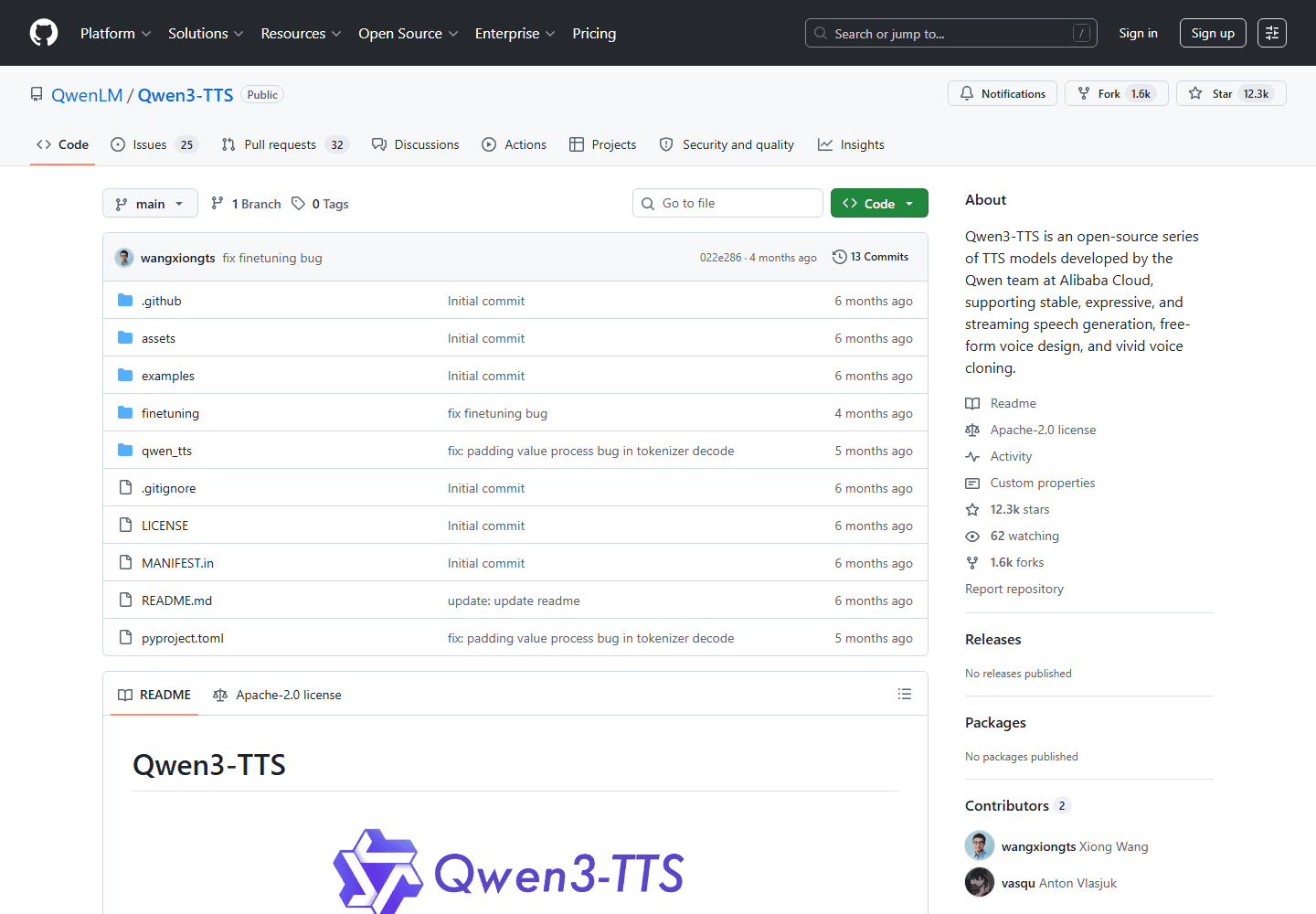
Qwen3-TTS is the broader model-family pick. Its official repository describes an open-source series of TTS models that support stable, expressive, and streaming speech generation, free-form voice design, and vivid voice cloning. GitHub reports an Apache-2.0 license.
That sounds powerful because it is. It also means the evaluation has to be more serious. Do not run one English paragraph, admire the audio, and call the migration done. The whole reason to test Qwen3-TTS is to learn whether the model behaves across the actual languages, latency targets, voice styles, and deployment constraints your product needs.
I would use Qwen3-TTS as a platform candidate, not a casual creator tool. Build a small harness. Reuse the same scripts. Measure first-audio latency, total generation time, memory use, failure rate, and human redo rate. Pretty samples matter less than repeatable behavior.
First test
Test one English script, two non-English scripts, one emotional prompt, one streaming path, and one reference-voice sample.
Common complaint
Multilingual demos can hide uneven pronunciation. Native-speaker review is the part people skip until it embarrasses them.
Best multilingual stack for teams with ML patience
CosyVoice
Best for
Localization-heavy teams, research groups, and AI product teams testing multilingual voice generation, training, inference, and deployment.
Not for
A solo creator trying to make five English voiceovers this week with no engineering support.
Migration cost
High. Expect language QA, infrastructure decisions, model choice, native-speaker review, and workflow design around the model.
License reality
Apache-2.0 repository license
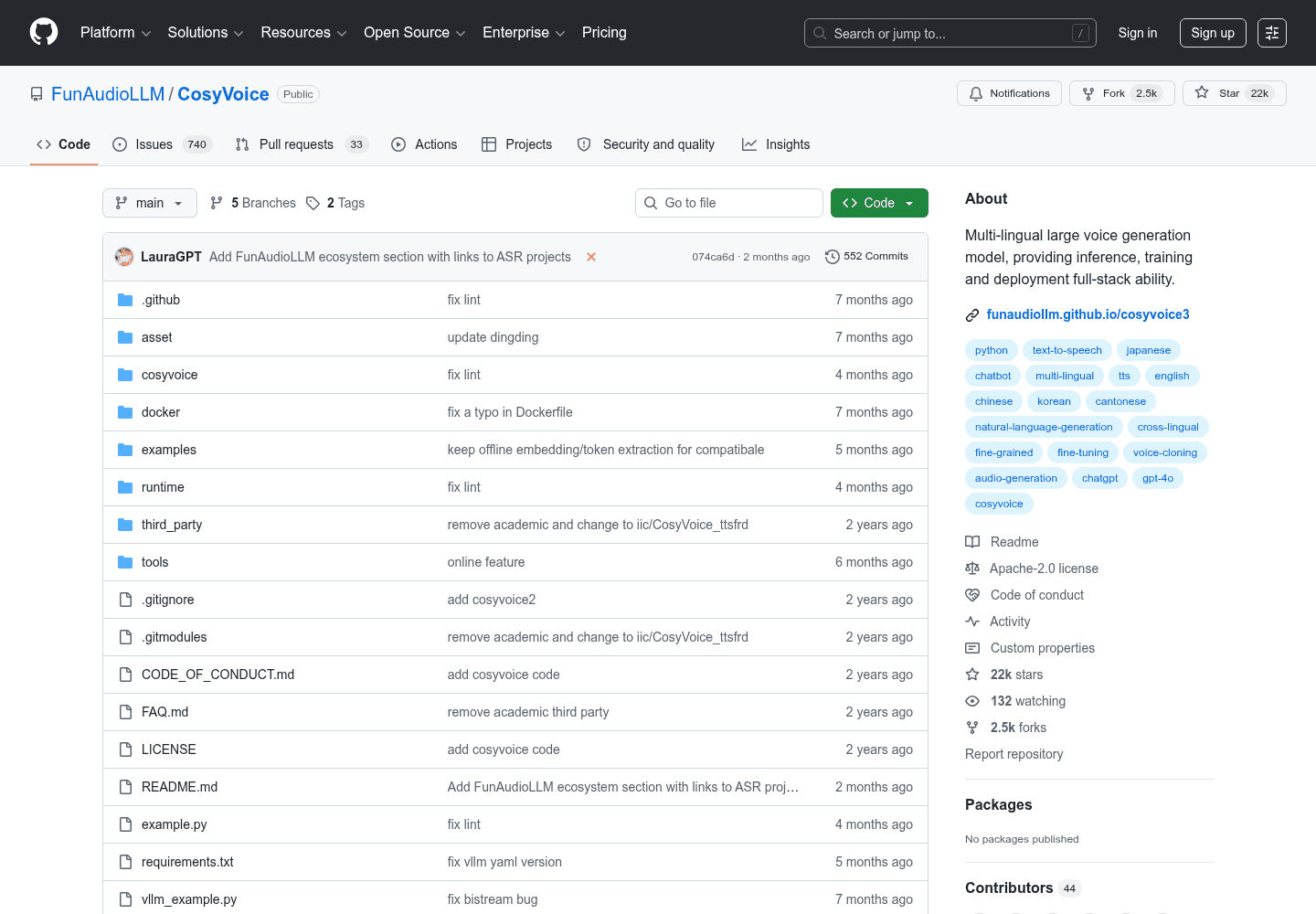
CosyVoice is the better fit when multilingual is the point, not a nice extra. The repository describes a multilingual large voice generation model with inference, training, and deployment ability. GitHub reports an Apache-2.0 license.
This is not where I would send a content marketer who only needs a few English explainers. CosyVoice is for teams that can handle model evaluation and deployment questions. It gives you more control, but it also asks for more judgment.
The migration trap is scope creep. Multilingual TTS tests expand quickly. Suddenly you are comparing accents, cross-lingual cloning, latency, source audio quality, and whether a native speaker laughs at the output for the wrong reason. Keep the test grounded in the three languages you actually need.
First test
Pick three languages, one cloned speaker, one noisy input, and scripts that include names, abbreviations, and numbers.
Common complaint
Open multilingual stacks can turn one 'replace ElevenLabs' task into five experiments and a meeting about prosody.
Best research clone test with license caveats
F5-TTS
Best for
Researchers and engineers comparing zero-shot or few-shot voice cloning methods before choosing a production stack.
Not for
Commercial teams that want a simple green light without reading model checkpoint terms and training-data restrictions.
Migration cost
Medium for research, high for production. Code license, model weights, datasets, and generated-voice policy all need separate checks.
License reality
MIT code license, but check checkpoint and dataset terms
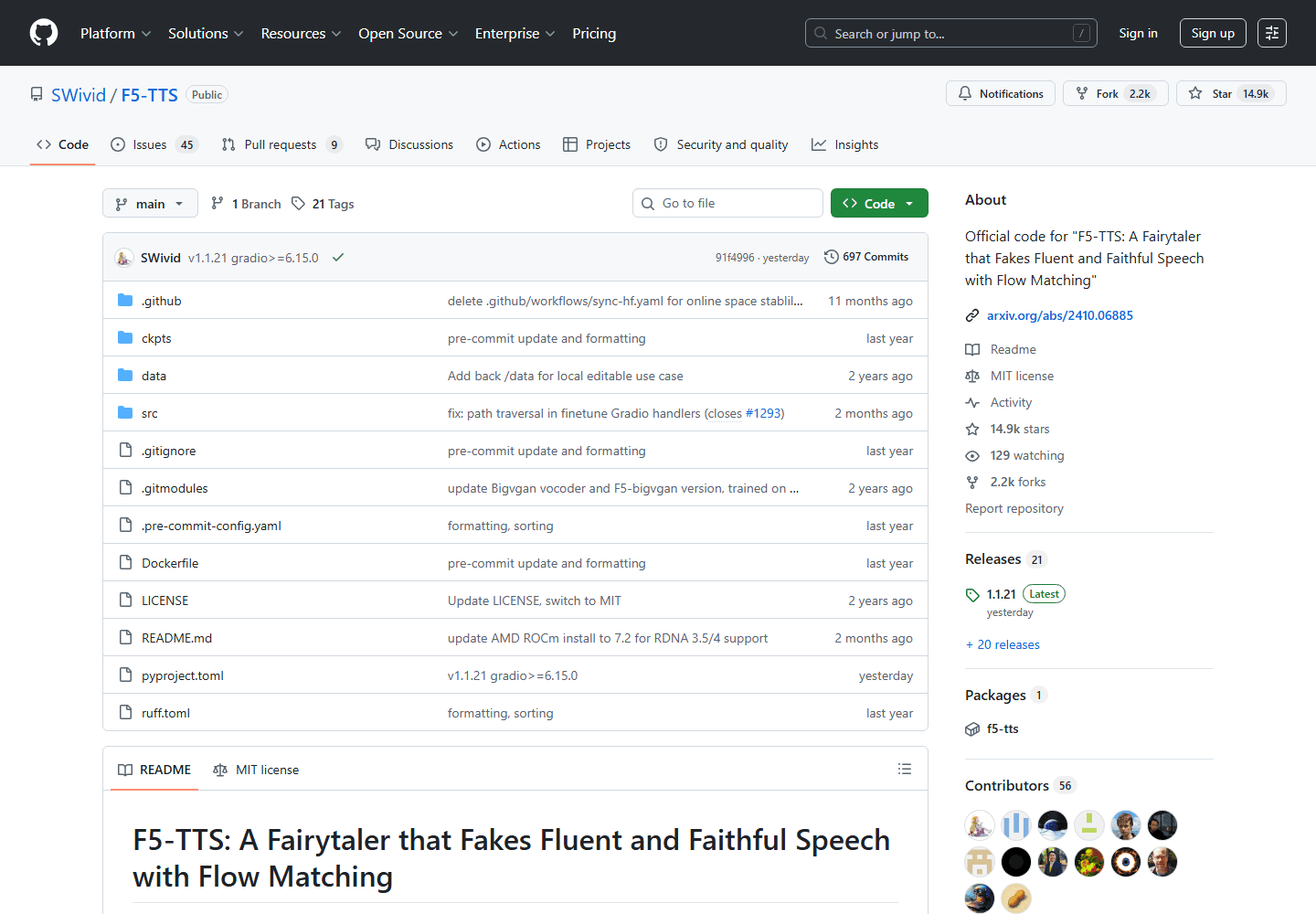
F5-TTS is worth testing if your team is comparing voice-cloning research paths. GitHub reports an MIT license for the repository, and the project has stayed active. That makes it useful for engineers who want to understand the model side of the problem instead of buying a hosted result immediately.
The caution is important: repository license is not the whole story. Checkpoint terms, dataset terms, and the policy around generated voices can differ from the code license. If you want a commercial workflow, do not turn a GitHub license badge into legal advice.
Use F5-TTS as a research comparator. It can tell you what your source audio, language, and cloning expectations are doing to quality. It should not be the only thing standing between your product and a public voice-cloning feature.
First test
Use consented samples only, compare two speakers, and document whether the checkpoint terms match your intended use.
Common complaint
People often conflate code license with model-use rights. That shortcut causes pain later.
Best toolkit and recipe library
Coqui TTS
Best for
Researchers and engineers who want training recipes, model references, experiments, and a broad TTS toolbox.
Not for
Non-technical creators who need one dependable hosted voice workflow and no toolkit-level choices.
Migration cost
Medium to high. It is useful, but you need to separate toolkit code, model weights, datasets, and maintenance expectations.
License reality
MPL-2.0 repository license
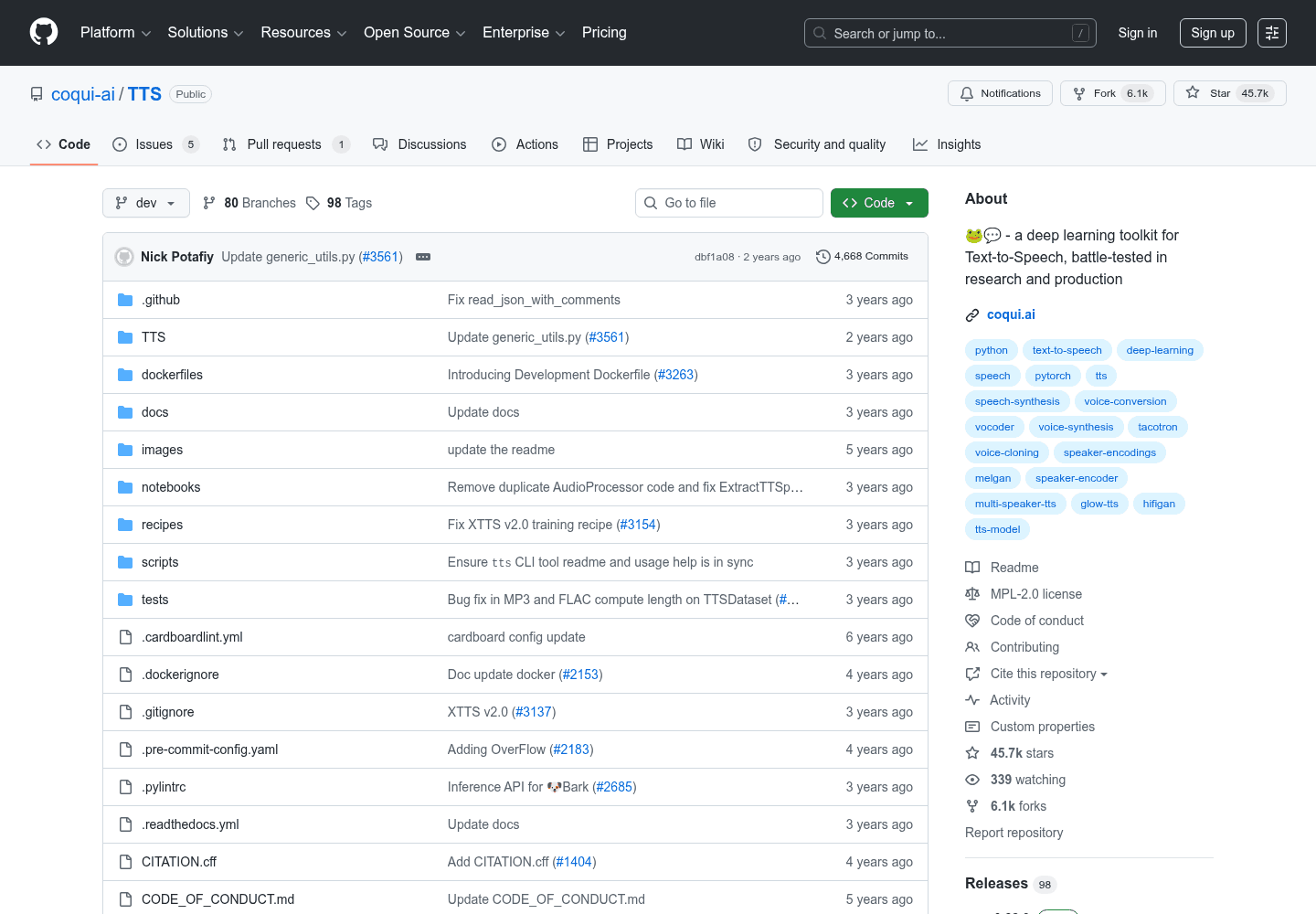
Coqui TTS is not a simple ElevenLabs clone. It is a workshop. GitHub describes it as a deep learning toolkit for text-to-speech, and the repository license is MPL-2.0. That is useful if you want to learn, train, compare, or customize.
A workshop is not a studio. That distinction matters. Your ML person may love the flexibility. Your content team may stare at it and ask where the export button went. Both reactions are fair.
I would keep Coqui TTS in the research toolbox, especially when comparing architectures or inherited TTS setups. I would not make it the default recommendation for a small team that just wants a clean voiceover workflow by Friday afternoon.
First test
Use it to compare model recipes and training paths before you commit to a narrower production stack.
Common complaint
Toolkits can feel like progress while the content team still has no repeatable way to ship audio.
Best second opinion for voice-cloning research
OpenVoice
Best for
Teams studying instant voice cloning, cross-lingual behavior, and style control with an open research project.
Not for
Teams that need a supported product surface, account controls, voice library UX, and vendor support.
Migration cost
Medium to high. The model may be open, but you still need consent, review, storage, monitoring, and a support story.
License reality
MIT repository license
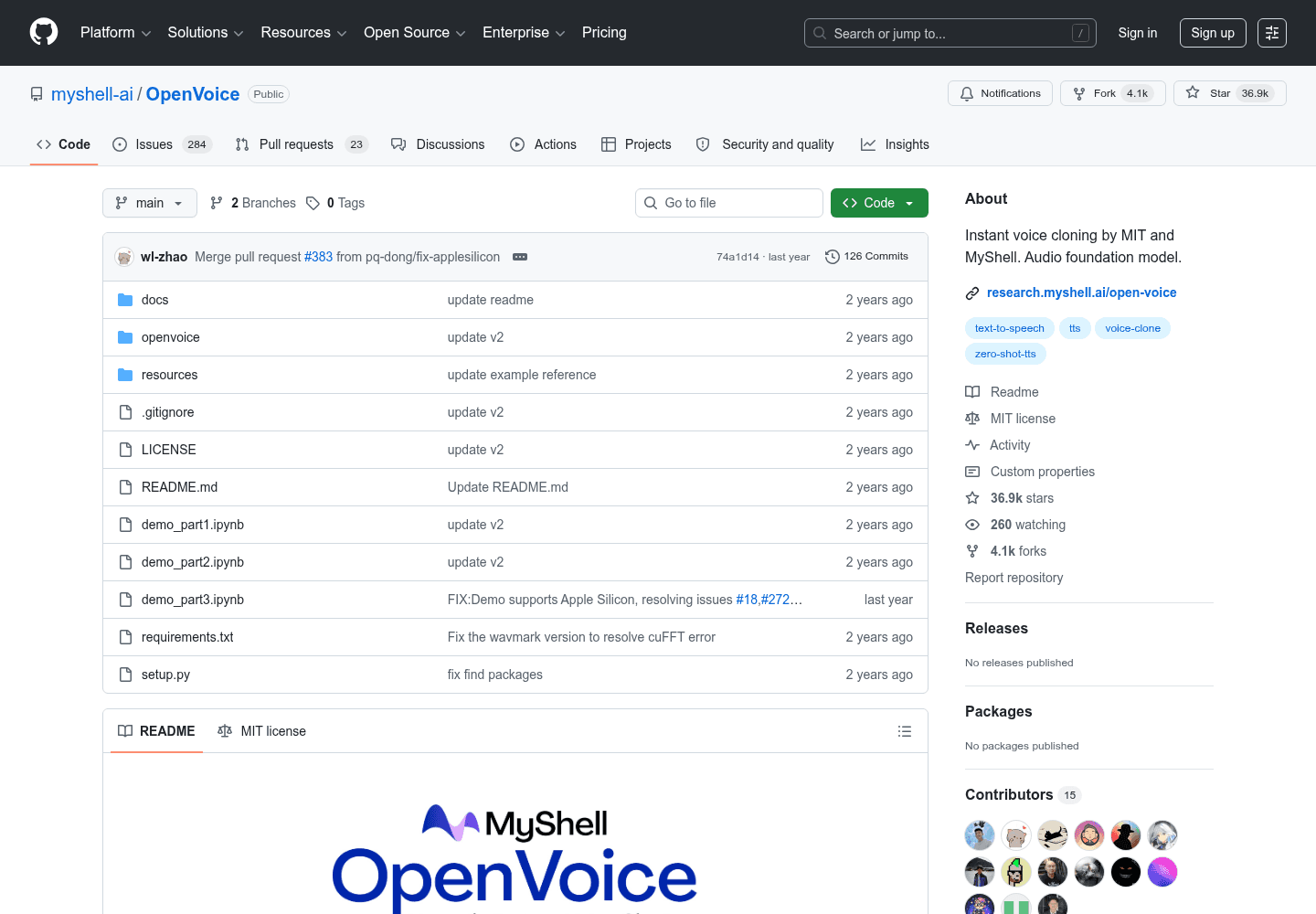
OpenVoice is another open voice-cloning path, and GitHub reports an MIT license. I would use it as a second opinion in a cloning bake-off rather than the only candidate.
The project is useful because it focuses on instant voice cloning and audio foundation work. That maps to one of the main reasons people pay for ElevenLabs: a short sample can become a useful voice experience. The open-source route gives you more visibility and more responsibility.
Again, the work around the model matters. Speaker consent, reference sample quality, output review, and storage policy are not optional extras. If the workflow cannot explain whose voice was cloned and why, the model quality is the least interesting problem.
First test
Run the same consented speaker through two languages and two speaking styles, then compare stability with Chatterbox or F5-TTS.
Common complaint
A clone that sounds impressive in one clip can drift across languages, emotions, or longer scripts.
Free reality
Free and open source still has a cost shape.
Free can mean free to download, free to inspect, free to run, free for research, free for commercial use, or free until you add the GPU bill. Those are different claims. Put them in separate boxes before you migrate.
The same goes for open source. A repository license can cover code while model checkpoints, datasets, demo voices, and generated-audio rights follow different rules. If your product makes money from the generated audio, ask the boring license questions early. Boring questions are cheaper before launch.
Hardware is the other quiet cost. A local model may be cheap at low volume and expensive when you need speed, concurrency, and monitoring. A hosted API may feel expensive per credit but cheaper than assigning an engineer to keep a speech stack alive for a team that only publishes four clips per month.
Migration plan
Run a 35-line bake-off before changing the workflow.
Do not migrate because a demo clip sounds good. Speech models are excellent at making one line impressive and then getting weird on your company name. Use a small, repeatable test pack and score the actual outputs.
- Create one shared script pack: 10 narration lines, 10 ugly edge cases, 5 clone tests, 5 multilingual lines, and 5 product-specific phrases.
- Use one baseline ElevenLabs voice and one baseline open model. Do not compare a polished paid studio workflow with a half-installed local repo.
- Score each output for publishability, not novelty. Ask whether a human would ship it without another generation.
- Track failure reasons: pronunciation, pace, voice drift, latency, install friction, license uncertainty, hardware cost, or missing editor workflow.
- Price the real system. Include GPUs, storage, monitoring, human review, retries, and the engineer who will own the pipeline when it breaks.
Stay put
When ElevenLabs is still the better choice.
Stay with ElevenLabs if your team needs polished audio this week and does not have engineering time. Stay if the content team owns the workflow and a terminal would turn the process into a support ticket. Stay if commercial rights, voice library UX, billing, and support matter more than model ownership.
Move away when the hosted product blocks the job: privacy rules, offline use, high volume, custom languages, local deployment, deeper cloning research, or a product roadmap that needs more control than an API exposes.
My practical order is simple. Test Kokoro first for local narration. Add Kitten TTS when tiny CPU-friendly speech matters. Use Piper for offline products. Compare Chatterbox, F5-TTS, and OpenVoice for cloning research. Test Qwen3-TTS and CosyVoice for multilingual model work. Keep Coqui TTS as a toolkit, not a magic studio replacement.
Use this rule before switching.
If the open-source option saves money but adds a fragile workflow, you did not save much. If it gives you privacy, offline use, clear rights, and repeatable audio, the extra setup can be worth every annoying install step.
FAQ
Short answers for searchers.
What are the best free ElevenLabs alternatives?
For local narration, start with Kokoro. For tiny CPU-friendly experiments, test Kitten TTS. For offline apps and devices, use Piper. For voice cloning research, compare Chatterbox, F5-TTS, and OpenVoice. For multilingual model work, test Qwen3-TTS and CosyVoice.
Are open source alternatives to ElevenLabs good enough for production?
Sometimes, but not automatically. Local narration and offline device speech are realistic production paths. Voice cloning, multilingual speech, and commercial use need stronger testing, consent policy, license review, and quality control.
Can I use these ElevenLabs alternatives for commercial projects?
It depends on the project and the exact asset. Check the repository license, model card, checkpoint terms, dataset restrictions, and your generated-audio use case. Apache-2.0, MIT, GPL-3.0, and MPL-2.0 create very different obligations.
Which option is closest to ElevenLabs Studio?
None of the open-source options here fully replace ElevenLabs Studio as a hosted product. They replace pieces of it: narration, local inference, voice cloning experiments, multilingual models, or toolkit-level control.
Should I leave ElevenLabs if I only make a few voiceovers per month?
Probably not for cost alone. If you generate a small number of polished clips, the hosted workflow may be cheaper than your time. Switch when privacy, offline use, licensing, volume, or model control matters enough to own the extra work.
Sources
Official pages and community research starting points.
I used official pages for product, license, and repository facts. I used public Reddit search pages as a starting point for complaint themes, not as numerical evidence. Re-check the official pages before a commercial rollout because model terms, pricing, and repository status can change quickly.